



By 2026, the customer journey is no longer a step-by-step walk from “Awareness” to “Purchase.” It is a high-speed, AI-compressed loop where discovery, evaluation, and conversion can happen in a single interaction.
For marketing teams, this shifts the battlefield. You are no longer just optimizing for human eyeballs; you are optimizing for the AI agents that curate reality for those humans. Here is how the journey evolves in 2026 and how your team must respond.
Phase 1: Discovery (The Zero-Click Era)
In the traditional model, a user realized they had a problem, went to Google, typed a query, and clicked a link. In 2026, Answer Engine Optimization (AEO) dominates.
Users now ask sophisticated AI agents, “Find me a CRM that integrates with Slack and costs under $50/month.” The AI does the searching. If your brand isn’t in the AI’s training data or vector database, you don’t exist during the discovery phase.
The Shift:
- From SEO to AEO: Ranking #1 on Google matters less than being the “cited source” in a ChatGPT or Perplexity answer.
- Predictive Discovery: AI anticipates needs before the user asks. Your smart fridge notices you’re out of milk and adds it to the cart—discovery and intent happen simultaneously without a screen.
Marketing Response:
To survive this, you must partner with the best SEO company that understands the nuance between traditional search and generative answers. Marketing teams need to structure content not just for keywords, but for context—using schema markup and natural language that AI can easily parse and verify.
Phase 2: Evaluation (The AI Gatekeeper)
This is where the biggest disruption occurs. The “Evaluation” phase used to involve reading ten blog posts, watching three YouTube videos, and checking G2 reviews.
In 2026, the user simply tells their AI: “Summarize the pros and cons of these three options based on Reddit threads and expert reviews.”
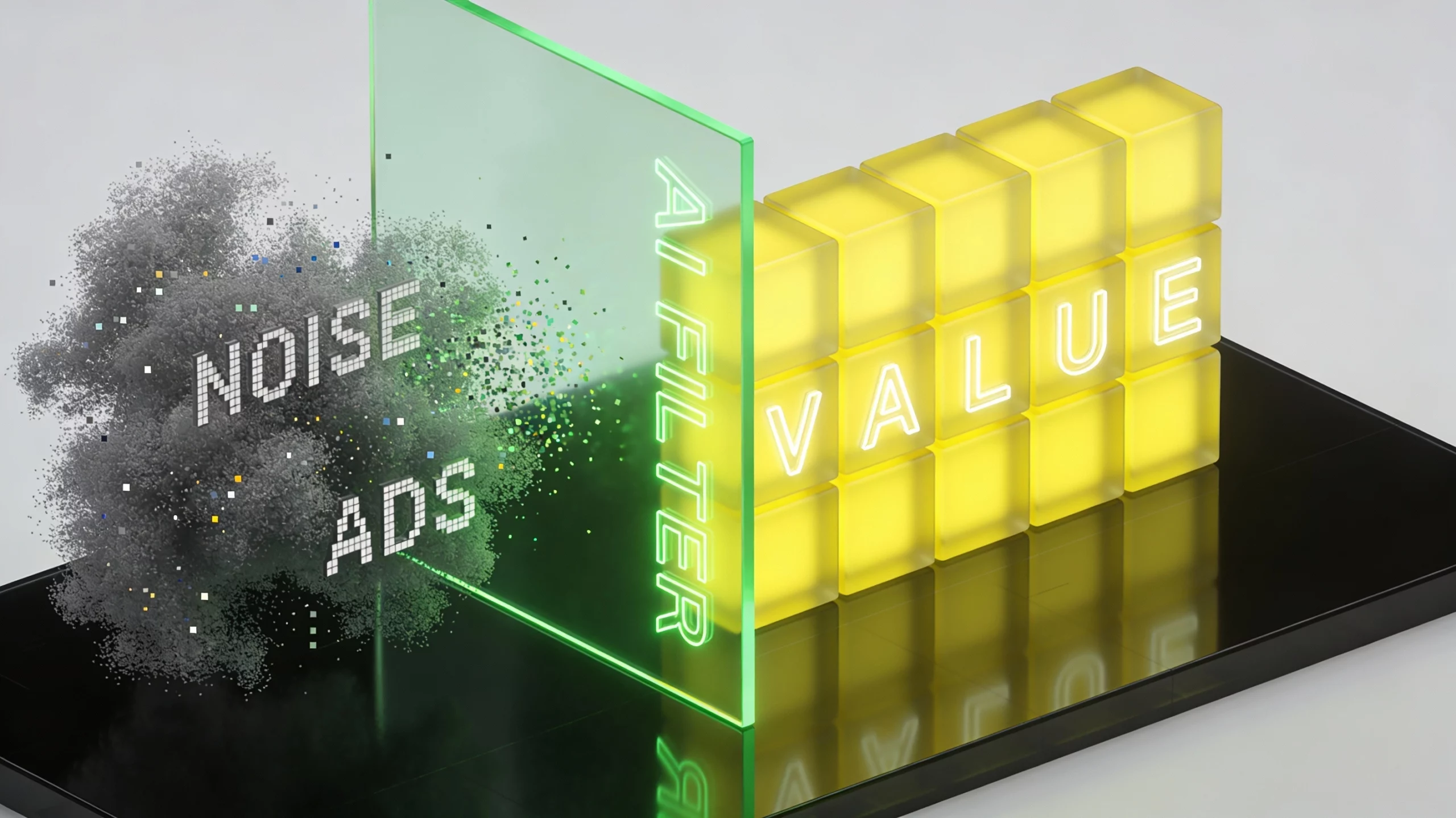
The AI becomes the gatekeeper. It strips away your marketing fluff and presents raw, synthesized sentiment. Your perfectly crafted landing page copy matters less than your reputation across the decentralized web.
The Shift:
- Hyper-Personalization: Websites are no longer static. When a user finally clicks through, AI-driven website design services allow the page to re-render itself in real-time, highlighting the specific features the user’s AI assistant indicated were most important.
- Trust Verification: Users trust their AI’s summary more than your brand’s claims.
Phase 3: Conversion (The Frictionless Close)
Conversion in 2026 is often invisible. With digital wallets and biometric authentication integrated into AI assistants, the “checkout” process is automated.
We are also seeing the rise of Automated Negotiation. A user’s AI might negotiate with a brand’s chatbot to get a discount or better shipping terms. If your pricing structure is rigid, you lose.
The Shift:
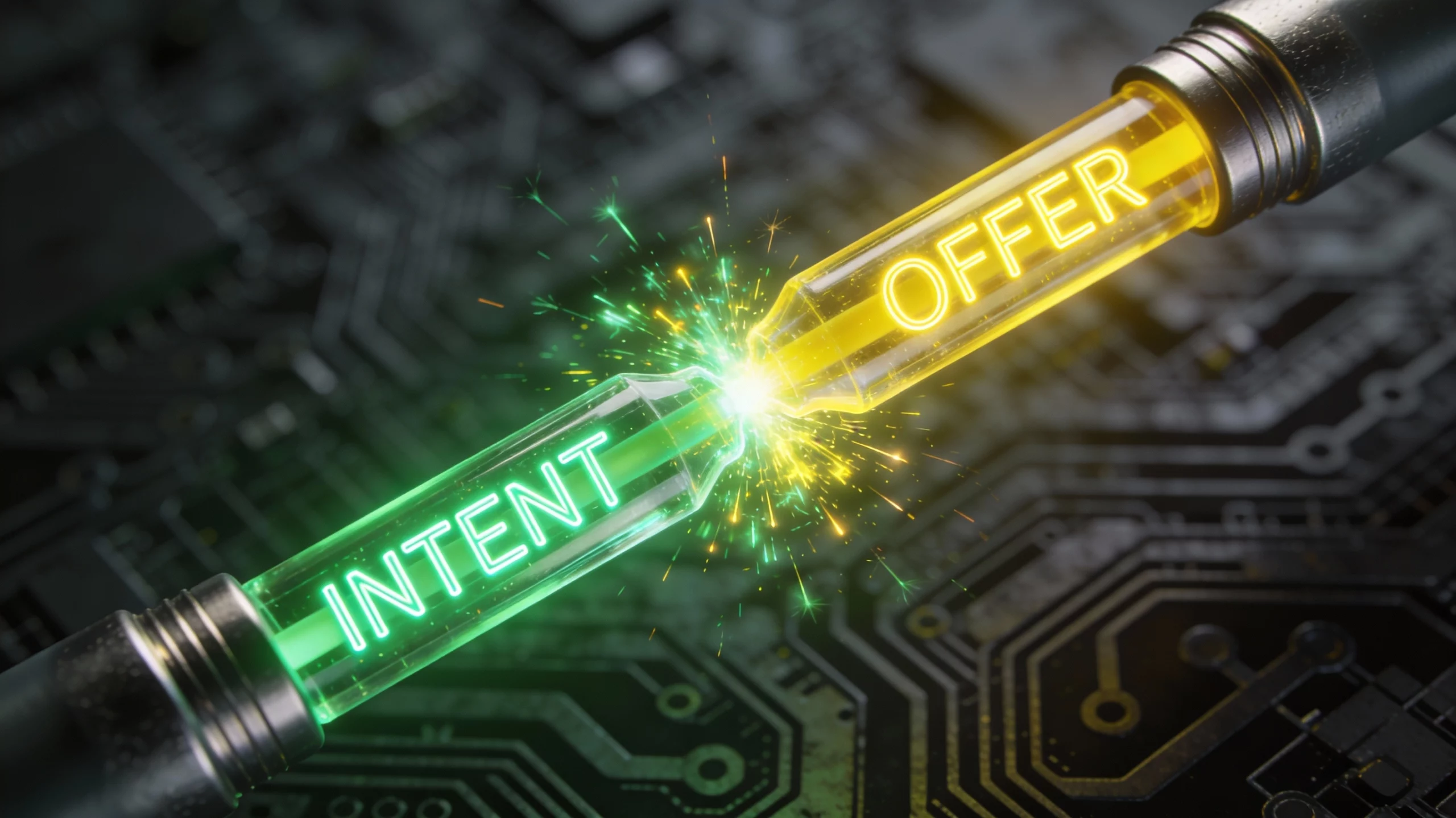
- Intent Detection: AI analyzes behavioral data to detect “micro-moments” of high intent. It triggers an offer at the exact millisecond a user is ready to buy.
- Dynamic Pricing: Prices adjust in real-time based on demand, inventory, and the user’s predicted lifetime value.
Marketing Response:
You cannot rely on manual campaigns anymore. You need to build a robust lead generation ecosystem where content, community, and conversion mechanisms talk to each other automatically. This ensures that when the AI detects intent, your system is ready to capture it.
How Marketing Teams Should Respond
The “wait and see” approach is dangerous. To thrive in the 2026 landscape, agencies and internal teams must pivot immediately:
- Optimize for NLP (Natural Language Processing): Stop keyword stuffing. Start answering specific, complex questions concisely. This increases the chance of your content being picked up by Large Language Models (LLMs).
- Diverse Content Ecosystems: AI feeds on diverse data. You need video, audio, and text. This is especially true for social media marketing, where visual search and social listening feed the “Evaluation” algorithms.
- Data Infrastructure: You need clean, structured data. If your internal data is messy, AI cannot personalize the journey.
The Verdict
The customer journey of 2026 is faster, smarter, and less forgiving of mediocrity. The brands that win will be those that treat AI not just as a tool for efficiency, but as the primary audience for their content.
FAQ’S
Q1. How is AEO different from traditional SEO?
AEO prioritizes being the cited source for AI answers, while SEO focuses on SERP rankings.
Q2. What does the “AI Gatekeeper” mean for my marketing content?
AI Gatekeeper filters out marketing fluff, summarizing only genuine value from reviews and data.
Q3. Will the traditional marketing funnel still exist in 2026?
No, it’s replaced by an AI-compressed loop where discovery and conversion happen simultaneously.
Q4. What is “Automated Negotiation” in 2026 ecommerce?
Customer AI bots negotiate prices and terms with brand AI in real-time.
Q5. How can marketing teams prepare their data for this shift?
Organize clean, structured data so AI can access inventory, pricing, and customer history instantly.
