



Digital Marketing
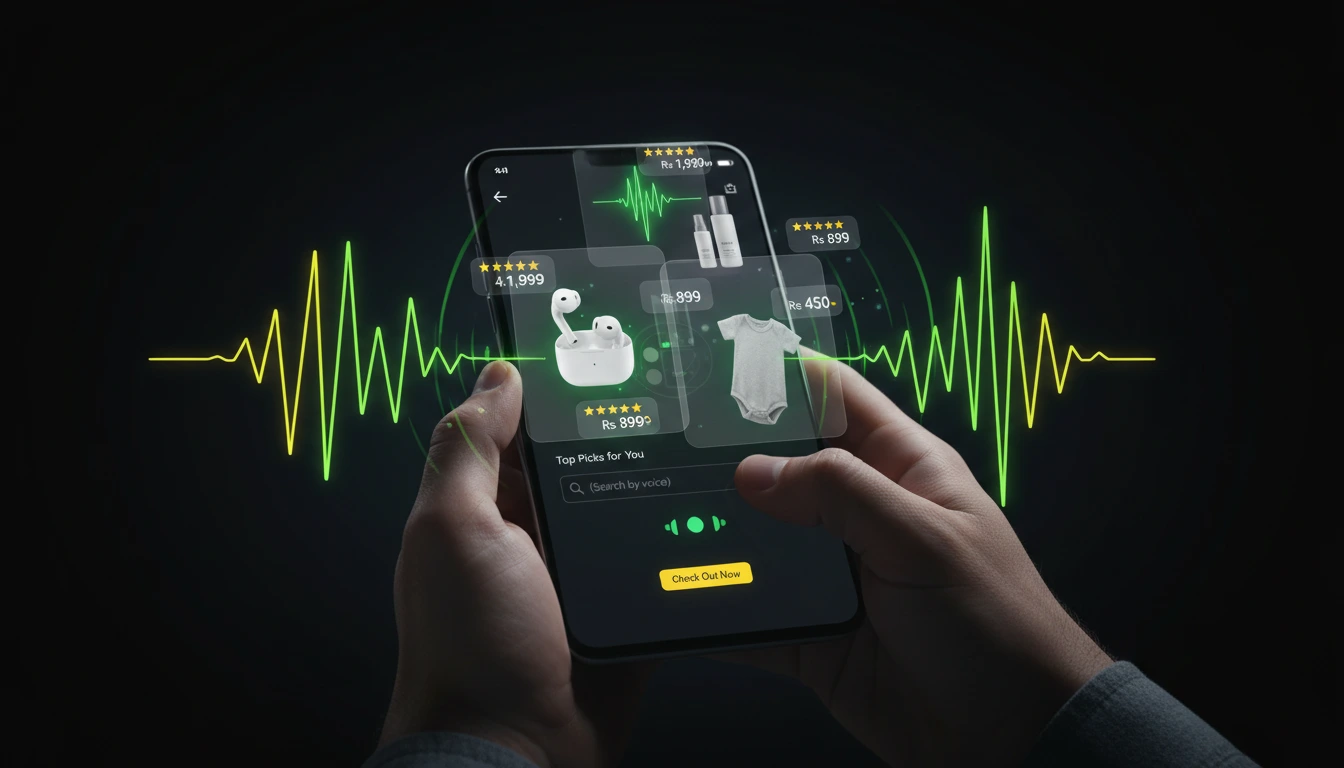
Voice commerce is transforming how Indian consumers discover and purchase products, with AI shopping assistants now handling over 40% of commerce discovery in 2026. For D2C brands targeting India’s next 300-500 million vernacular shoppers, voice-activated shopping represents the biggest growth opportunity since mobile commerce—but only if you prepare strategically.
The voice commerce revolution in India
Voice commerce adoption is accelerating across Indian markets, driven by smartphone penetration, vernacular language preferences, and the convenience of hands-free shopping. Over 55% of Indian internet users now leverage voice search regularly, with Hindi voice searches alone surging by 400% in recent years.
Smart speaker integration through Amazon Alexa, Google Assistant, and WhatsApp Business API enables users to browse products, check order status, and complete purchases using natural language commands in regional languages. Leading D2C brands like boAt, Mamaearth, and The Man Company are already piloting voice-first shopping experiences to capture this massive shift in consumer behavior.
For digital marketing agencies working with D2C clients, voice commerce optimization is becoming as critical as SEO and performance marketing for sustainable growth.
Build multilingual voice shopping experiences
India’s linguistic diversity demands that D2C brands support multiple regional languages and handle code-switching seamlessly.
Modern AI shopping assistants support 20+ major Indian languages including Hindi, Tamil, Telugu, Bengali, Marathi, and Gujarati—enabling customers to interact in their native tongue. This multilingual capability is crucial because over 65% of Indian users prefer interacting in their preferred language, and voice-first interfaces remove literacy barriers that have historically excluded millions from e-commerce.
D2C brands should implement conversational AI that handles Hinglish, Tanglish, and dialect variations naturally, ensuring shopping experiences feel intuitive rather than robotic. The AI Playbooks ecommerce guide from Garage Collective details how AI shopping agents interpret product data, reviews, and descriptions to recommend products accurately.
Optimize product listings for AI shopping agents
AI assistants don’t browse websites like humans—they parse structured data, product descriptions, and customer reviews to generate personalized recommendations.
Ensure your product feeds include rich, descriptive content with clear specifications, high-quality images, and schema markup that AI systems can easily interpret. Product descriptions should answer common voice queries naturally—”waterproof wireless earbuds under 2000 rupees” or “chemical-free baby soap for sensitive skin.”
User-generated content like reviews, ratings, and testimonials signal trustworthiness to AI systems evaluating product quality. Actively encourage customer reviews and respond to feedback, as fresh testimonials improve your E-E-A-T signals and help AI assistants confidently recommend your products over competitors.
Implement voice-activated payment and checkout
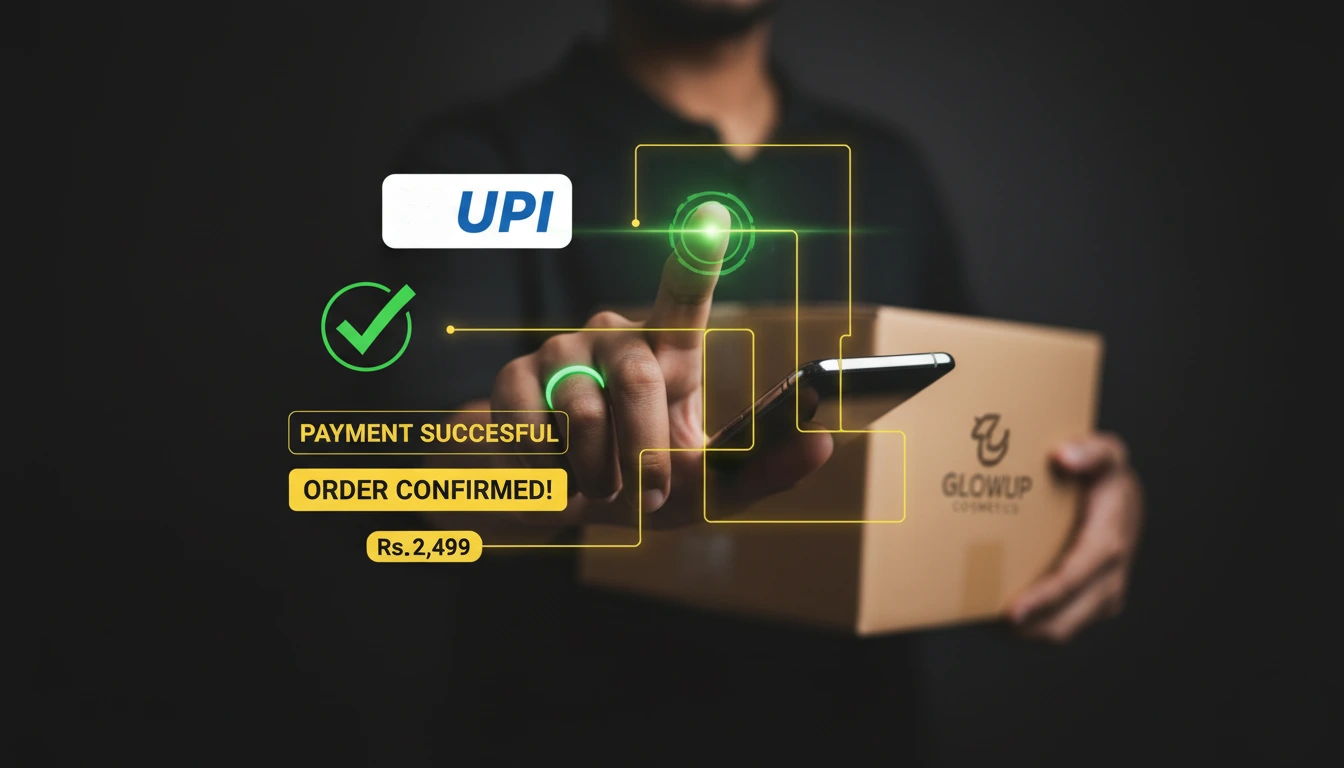
Friction at checkout remains the biggest barrier to voice commerce conversions, but Hello! UPI and voice-authorized payments are eliminating this challenge.
This NPCI-led innovation allows customers to complete purchases using voice commands and biometric authentication, creating seamless “speak-to-checkout” experiences. Flipkart has already demonstrated this model with its AI-driven voice assistant for grocery shopping, supporting Hindi and English voice commands from product discovery through final purchase.
D2C brands should integrate voice payment options, enable one-tap voice reordering for repeat purchases, and provide voice-based order tracking so customers can ask “Where is my order?” and receive real-time updates without navigating apps or websites.
Leverage conversational marketing and personalization
Voice commerce enables hyper-personalized interactions that build brand loyalty and increase customer lifetime value.
Use conversational AI to provide personalized product recommendations based on browsing history, past purchases, and stated preferences during voice interactions. For example, a customer asking “suggest moisturizer for dry skin” can receive tailored suggestions with explanations of ingredients and benefits spoken naturally in their preferred language.
Brands working with influencer marketing agencies can extend voice commerce into social channels, allowing customers to discover products through influencer recommendations and purchase instantly via voice commands integrated with WhatsApp Business or Instagram Shopping.
For guidance on voice search optimization strategies that apply across industries, Garage Collective’s detailed playbook covers local SEO, featured snippets, and conversational content structures.
FAQ’S
What percentage of Indian shoppers use voice commerce in 2026?
Over 55% of Indian internet users leverage voice search regularly, with voice-activated commerce growing fastest in Tier 2 and Tier 3 cities.
Which languages should D2C brands support for voice commerce?
Prioritize Hindi, Tamil, Telugu, Bengali, Marathi, and Gujarati, plus code-switching support for Hinglish and regional dialect variations.
How do AI shopping assistants choose which products to recommend?
They analyze structured product data, descriptions, customer reviews, ratings, and E-E-A-T signals to match user intent with relevant products.
Can voice commerce work for high-consideration D2C products?
Yes, conversational AI can answer detailed questions, compare specifications, and address concerns naturally before purchase, making it effective for considered purchases.
What’s the biggest challenge D2C brands face with voice commerce?
Checkout friction and payment security concerns, but Hello! UPI voice-authorized payments are solving this by enabling secure, conversational transactions.
