


SEO
The SEO rulebook you learned five years ago? It’s obsolete. For the past two decades, the backlink reigned supreme—the golden ticket to domain authority and search rankings. But in 2025, something seismic has shifted. Brand mentions are quietly eclipsing backlinks as the authority signal that matters most.
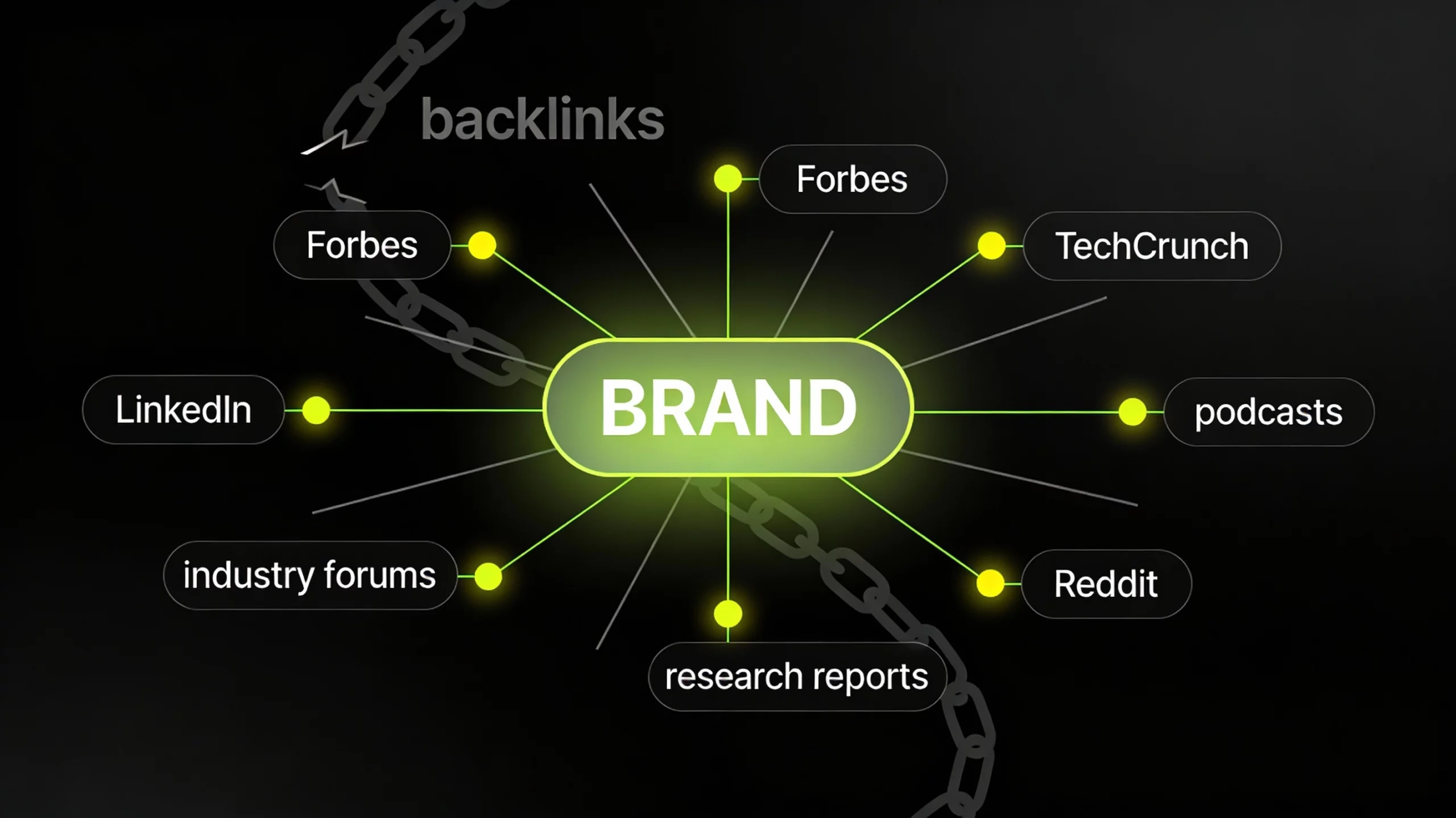
Why? Because AI systems don’t think like Google did. They don’t crawl the web looking for links. Instead, they analyze semantic relationships, citation patterns, and most critically—how often your brand is discussed across trusted sources without a hyperlink in sight.
This isn’t speculation. The data is in. When ChatGPT, Perplexity, and Claude cite sources, they prioritize brands that appear across reputable publications, industry forums, and authoritative platforms—regardless of whether a link exists. The citation itself becomes the signal.
Understanding the Authority Shift: From Links to Mentions
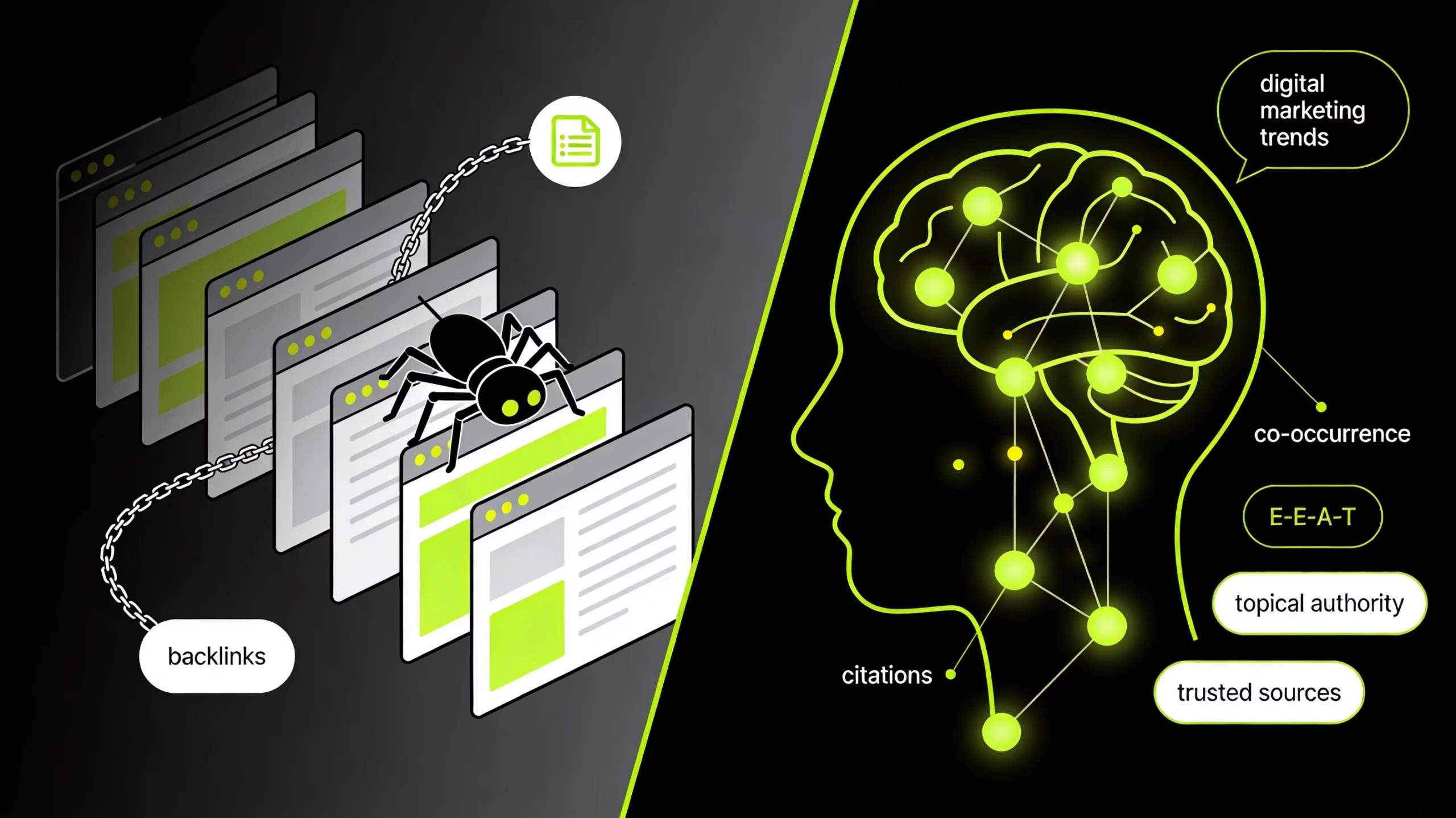
In traditional SEO, authority flowed through backlinks. A New York Times article linking to you meant authority transfer. But here’s what’s changed: AI systems evaluate authority through semantic co-occurrence and mention frequency.
When Perplexity generates an answer about “digital marketing trends,” it doesn’t just count links pointing to your article. It analyzes whether your brand is mentioned alongside other authoritative sources in the semantic context. If TechCrunch, Forbes, and Advertising Age all mention your agency in the same articles or topics, AI systems recognize you as an authority player—even if none of those mentions include links.
This creates a fundamental opportunity: You can build authority faster through earned brand mentions than through the years-long process of securing backlinks.
The mechanism works because AI systems need to validate information accuracy. When multiple trusted sources mention your brand in relation to a specific topic, it reinforces credibility. This is why AI visibility metrics now measure brand mentions alongside traditional SEO metrics—they’ve become equally predictive of visibility.
The Ethical Framework: Building Authority Without Manipulation
Here’s where most agencies stumble. They immediately pivot to inauthentic tactics: fake reviews, paid mentions disguised as earned coverage, or manufacturing citations across low-quality forums.
Don’t.
Ethical brand mention building requires a fundamentally different approach—one rooted in genuine value creation and legitimate earning.
- Become a Source, Not a Seeker
- Publishing original research that others must reference (industry reports, surveys, case studies with novel findings)
- Positioning leaders as recognized experts (speaking engagements, published bylines in industry publications)
- Contributing unique perspectives to trending conversations (thought leadership in your niche)
- Build Relationships with Authority Gatekeepers
- Create an expert database: Make it easy for journalists to find you through HARO (Help A Reporter Out) or similar platforms
- Develop media relationships: Regular, non-salesy outreach to journalists covering your industry
- Share insights proactively: When you see breaking news in your space, send relevant context or expert commentary to journalists
- Optimize Your Web Properties for Discovery
- Author bios with credentials and social proof
- Company Wikipedia entry (if applicable) establishing context
- LinkedIn profile optimization highlighting expertise
- Speaking engagements and conference participation (publicly visible)
These properties serve as mention-generating infrastructure. When journalists research your background, they find legitimacy signals that make them more likely to cite you.
The Competitive Advantage: Building Authority Faster
Here’s the economic reality: Building authority through earned mentions is faster and more defensible than backlinks.
Why? Because mentions are harder to manipulate at scale. You can’t secretly purchase 500 mentions like you might purchase links. Real mentions require real value delivery, making them more correlated with genuine expertise.
Additionally, mentions generate a multiplier effect. When you’re mentioned by one authority source, it creates ripples—other journalists researching the same topics encounter you, increasing mention velocity.
Within 12 months of consistent ethical mention-building, brands typically see:
- 3-5x increase in third-party citations
- Higher ranking in AI-generated answers (featured snippets and answer engines)
- Improved credibility in industry perception
- More inbound qualified leads from authority association
Implementing Your Mention-Building Strategy
Start with one channel: original research. Survey your customer base, analyze your data, or conduct industry interviews. Publish findings that contradict expected narratives or reveal patterns others haven’t surfaced.
Then amplify: Share with 20-30 relevant journalists. Not as a press release, but as “you might find this relevant for your next story on [topic].”
This single, ethical approach generates momentum that compounds. Each mention increases visibility to future mention sources. Each citation reinforces authority signals that AI systems reward.
The backlink era taught us that authority matters. The AI era teaches us that authenticity matters more.
Here are 5 tailored FAQs (with one-line answers) for your blog post on brand mentions vs backlinks, written to match the 2025 “citations/mentions as trust signals” angle.
FAQ’S
Q1. Are brand mentions more important than backlinks in 2025?
For AI answer engines, repeated mentions/citations across trusted sources can be as impactful (or more) than links, even though backlinks still matter in classic SEO.
Q2. What counts as a “brand mention” if there’s no link?
Any text reference to your brand/entity on reputable sites (news, forums, industry publications) counts, even without a hyperlink.
Q3. Why do AI systems reward mentions and citations?
AI-driven search often uses corroboration across multiple sources, so recurring mentions help validate an entity’s credibility and topical relevance.
Q4. What’s the most ethical way to earn more brand mentions?
Publish original research and expert insights that journalists and creators can cite naturally, instead of buying or faking coverage.
Q5. How can a brand increase mentions without doing PR “spam”?
Become consistently cite-worthy by contributing expert commentary, building media relationships, and strengthening entity signals.
