



The good news: you don’t need an agency or a big budget to do SEO. With the right approach and free tools, any beginner can optimize their website and start ranking on Google. In 2026, self-taught SEO is more accessible than ever — but it requires consistency, structured learning, and a willingness to keep up with how search continues to evolve.
Can I Do SEO for Free?
Absolutely yes. Some of the most powerful SEO tools available are completely free:
- Google Search Console — Track indexing, clicks, errors, and keyword performance
- Google Analytics — Monitor traffic, user behaviour, and conversions
- Google PageSpeed Insights — Test and fix page speed and Core Web Vitals
- Ubersuggest (Free Tier) — Keyword research and content ideas
- Seobility — Free on-page SEO scoring and site audits
DIY SEO gives you complete control over your strategy without paying agency fees that typically run $2,500–$10,000+ per month.
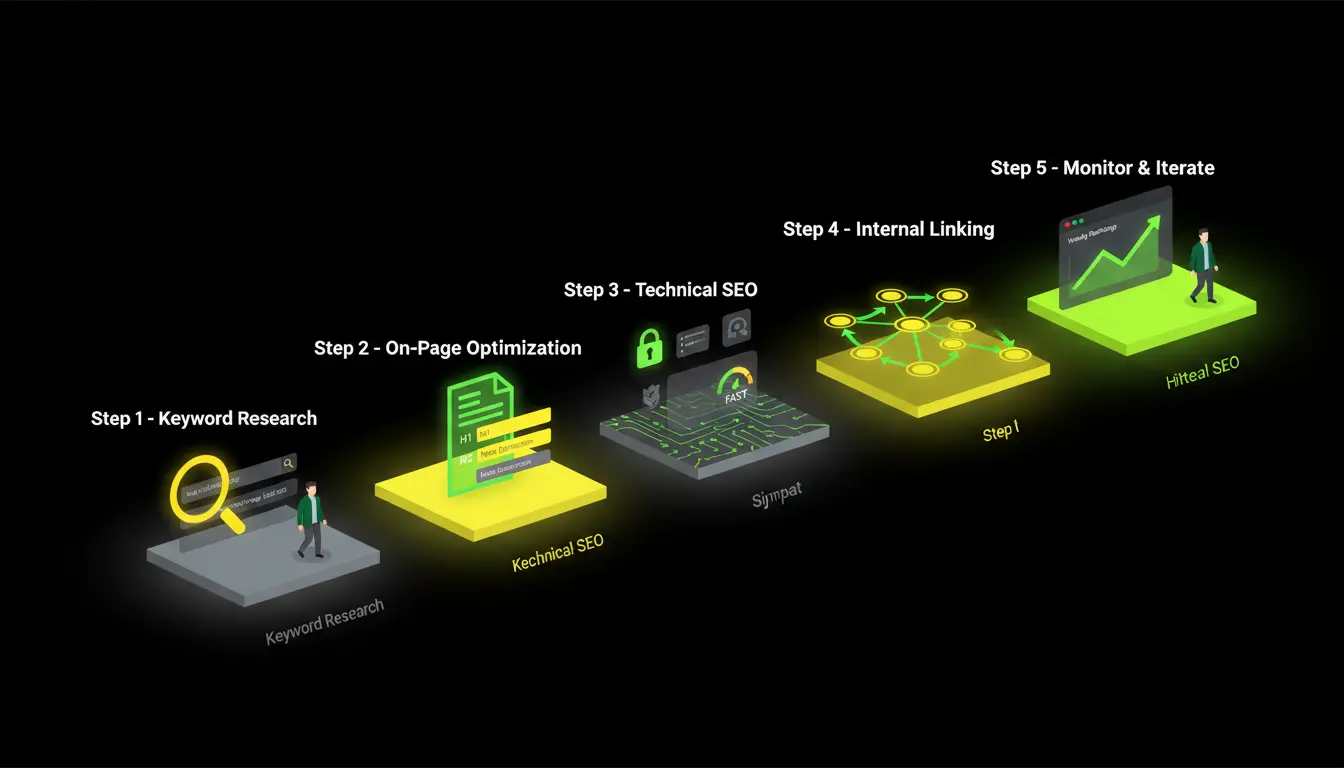
How to Do SEO on Your Own: 5 Steps
Follow this structured approach to start ranking your website yourself:
- Keyword Research — Use Google Search Console and Ubersuggest to find long-tail keywords your audience is actually searching
- On-Page Optimization — Optimize title tags, meta descriptions, H1–H3 headers, and place your primary keyword in the first 100 words
- Technical SEO — Ensure fast load times, mobile-friendliness, HTTPS, and a clean XML sitemap
- Internal Linking — Connect related pages on your site to guide both users and search engine crawlers
- Monitor and Iterate — Review Google Search Console weekly, track rankings, and refine based on real data
What Are the 3 C’s of SEO?
The 3 C’s provide a simple self-audit framework every DIY SEO beginner should know:
- Content — Is your content original, helpful, and aligned with search intent?
- Code — Is your site technically clean, fast, and crawlable?
- Credibility — Are you earning backlinks and building genuine trust signals?
Checking yourself against these three pillars weekly keeps your DIY strategy on track.
What Is the 80/20 Rule in SEO?
The 80/20 rule means 80% of your SEO results will come from just 20% of your efforts. That high-impact 20% includes: targeting the right keywords, writing content that genuinely answers user queries, fixing critical technical issues, and building even a handful of quality backlinks. Focus ruthlessly on these fundamentals before exploring advanced tactics.
Is Google SEO Hard to Learn?
SEO is not inherently hard — but it requires commitment. Most beginners grasp the core concepts within a few weeks and can start implementing effective strategies within 2–3 months. The perceived difficulty comes from the constantly evolving algorithms and conflicting advice online — not from the concepts themselves. Start with Google’s own SEO Starter Guide, then move to hands-on practice on a real website.
Can ChatGPT Do SEO?
ChatGPT is a powerful SEO assistant, but it is not a complete SEO solution. It can help with content quality assessment, keyword brainstorming, meta description writing, blog outlines, FAQ generation, and reviewing on-page structure — all from information you provide. However, it cannot crawl websites, access real-time analytics, check page speed, or perform technical audits. The best approach: use dedicated tools like SEMrush or Google Search Console for data, then bring that data to ChatGPT for analysis and content improvements.
Can ChatGPT Do an SEO Audit?
Partially — yes. ChatGPT’s Deep Research mode can analyze website content, review meta tags, evaluate keyword strategy, and suggest structural improvements when you feed it the right information. But for a complete audit covering crawl errors, site speed, Core Web Vitals, and backlink profiles, you still need dedicated tools like Screaming Frog, SEMrush, or Ahrefs. Think of ChatGPT as your SEO consultant — smart and helpful, but only as good as the data you give it.
Is SEO Dead Now With AI?
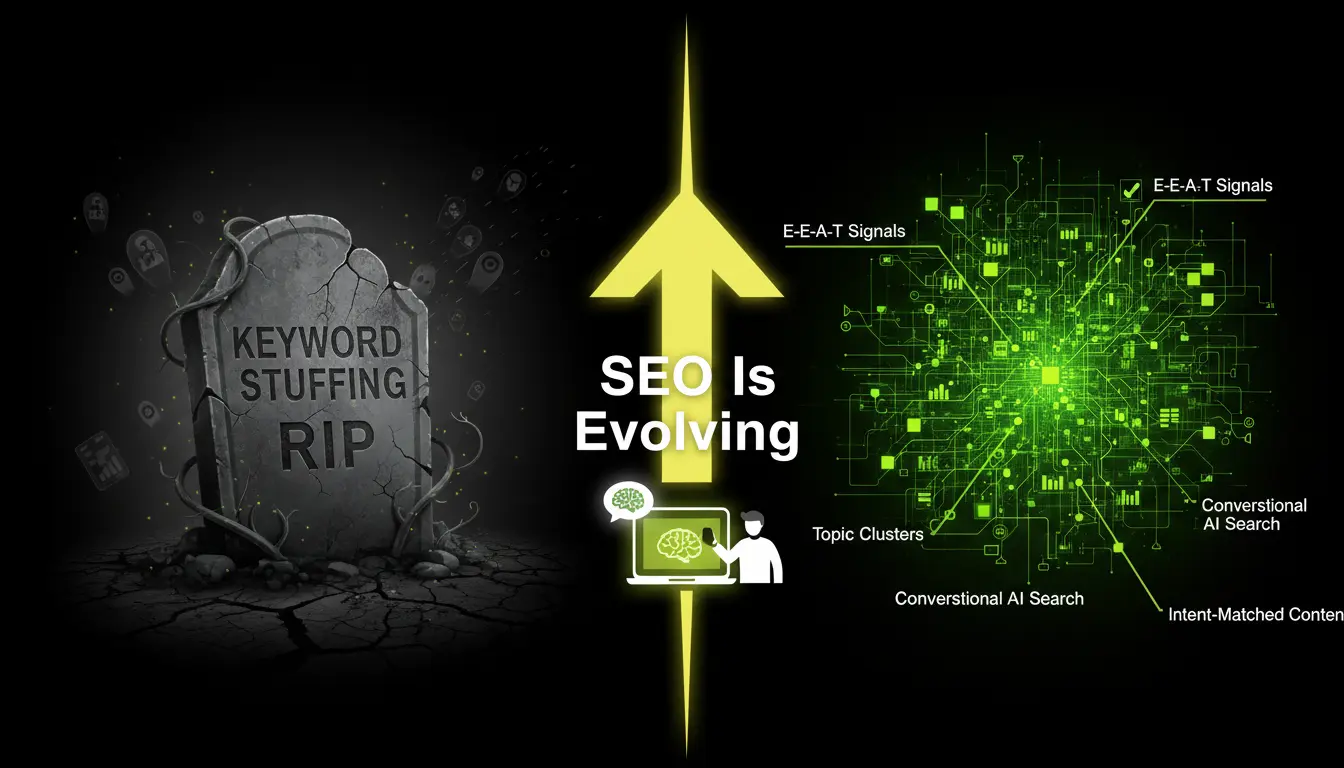
No — SEO is not dead. It is evolving. AI has transformed how Google understands search intent, moving beyond simple keyword matching to contextual, conversational understanding. This means content quality, E-E-A-T signals, and intent-matched writing matter more than ever. Businesses that adapt to AI-driven search — focusing on topic authority, structured content, and genuine helpfulness — will thrive, while those chasing outdated keyword-stuffing tactics will fall behind.
How Much Does SEO Cost?
DIY SEO costs you time, not money. Here’s a realistic breakdown:
| Approach | Monthly Cost |
| DIY (Free Tools) | ₹0 — time investment only |
| Freelancer | ₹5,000–₹15,000/month |
| Small Agency | ₹20,000–₹80,000/month |
| Full-Service Agency | ₹1,00,000+/month |
FAQ’S
Q1. Can I do SEO completely on my own?
Yes — with free tools like Google Search Console, Analytics, and Ubersuggest, you can run a solid DIY SEO strategy.
Q2. Can ChatGPT do SEO?
ChatGPT assists with content, keyword ideas, and meta tags but can’t replace dedicated tools for technical audits or rank tracking.
Q3. Is SEO dead because of AI?
No — AI is transforming SEO, not killing it; intent-based content and E-E-A-T signals matter more than ever in 2026.
Q4. Is Google SEO hard to learn?
Not really — basics take a few weeks to grasp; measurable results typically appear within 3–6 months of consistent effort.
Q5. What is the 80/20 rule in SEO?
80% of your SEO results come from 20% of efforts — focus on keywords, quality content, and core technical fixes first.
