



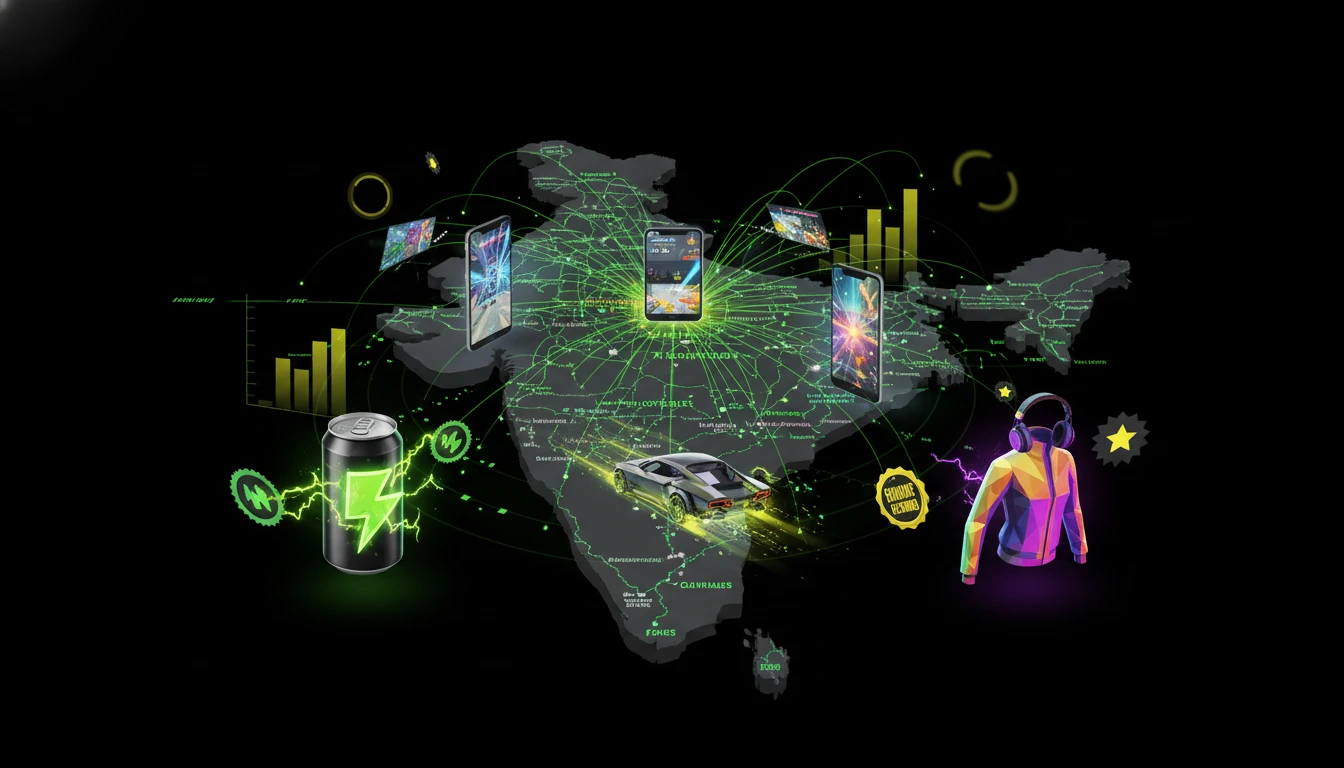
In-game advertising places branded messages, experiences, or rewards directly inside video games instead of around them. In India, it is becoming a serious media channel in 2026 because the country already had 500 million-plus gamers in 2025, with projections rising to about 724 million by 2029, while in-game advertising in India is expected to cross $1.2 billion by 2030.
What in-game advertising is
In-game advertising works by embedding brands into gameplay environments through formats such as virtual billboards, branded objects, rewarded video ads, sponsored missions, skins, power-ups, or dynamic ad placements that can be updated in real time. Instead of interrupting user attention like a standard pre-roll ad, it aims to become part of the game experience itself.
There are two major models brands should understand:
- Intrinsic ads: Native placements like billboards in racing games, branded outfits, stadium signage, or storefronts that feel natural inside the game world.
- Reward-based ads: Optional ad experiences where players watch or engage in exchange for extra lives, coins, unlocks, or other in-game benefits.
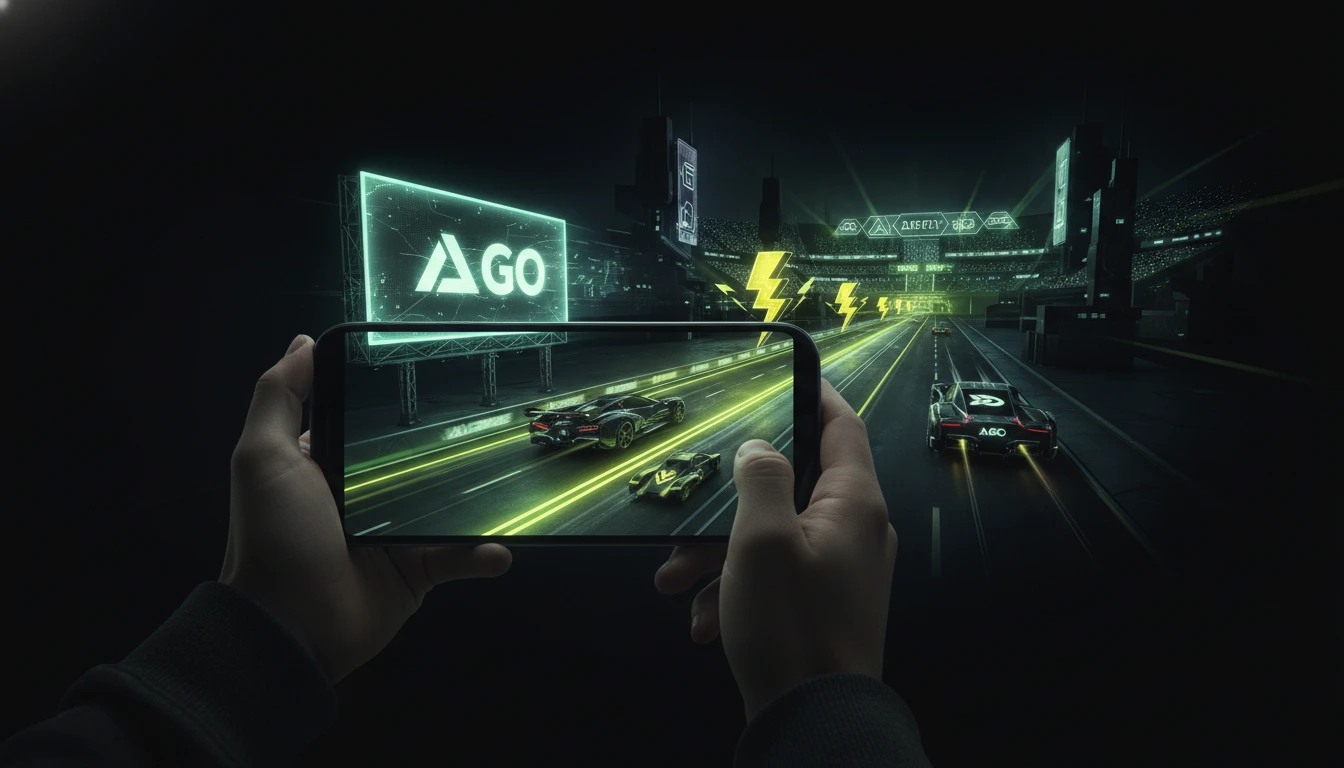
Dynamic in-game advertising adds another layer by allowing brands to change creatives based on location, campaign timing, behavior, or audience segment, making gaming inventory more flexible and measurable.
Why Indian brands should care in 2026
India’s gaming sector is projected to reach Rs. 10,487 crore by 2026, driven by mobile-first audiences and rising engagement with interactive entertainment. That makes gaming one of the few digital spaces where brands can still capture long-duration attention from Gen Z and younger millennial users who increasingly ignore traditional ads.
Brands are shifting budgets into gaming because in-game environments deliver:
- High attention quality rather than passive impressions.
- Strong brand recall through contextual interaction.
- Safer and more measurable engagement than many cluttered social channels.
WPP data also points to rapid growth in gaming ad revenues globally, with gaming ad revenue expected to surge 25.6% to $10.7 billion in 2026. For Indian marketers, that signals gaming is no longer niche media—it is mainstream attention infrastructure.
How brands use it effectively
The best in-game advertising does not feel like advertising. It works when the brand adds value to the player experience rather than breaking immersion.
A useful example cited by industry leaders is Sting being integrated as an in-game energy power-up, where the brand’s identity matched the gameplay mechanic instead of appearing as a random logo placement. Similarly, KRAFTON India’s branded integrations such as Taco Bell India meal-linked rewards, Tiger Shroff BGMI assets, and the Mahindra BE 6 in-game launch show how brands can build relevance by designing utility, culture, and excitement into the gaming experience.
For Indian brands, the most effective use cases include:
- FMCG and beverages using reward-led or power-up integrations.
- Auto and consumer tech brands using virtual launches and branded assets.
- Fashion and lifestyle brands using skins, collectibles, and avatar-based brand placement.
This follows the same principle seen in viral digital marketing campaigns: the brand wins when the audience wants to participate, not just watch.
What to measure before investing
In-game advertising should not be judged only on clicks. The stronger metrics are attention quality, completed views, brand recall, interaction time, lift in purchase intent, and incremental brand search.
A Unity Ads report cited by exchange4media found a 28% uplift in offline intent after in-game exposure, with especially strong results for CPG and fashion brands. That matters because gaming can influence both online actions and offline buying behavior when the brand fit is strong.
Before scaling, Indian brands should evaluate:
- Whether the game audience matches their category.
- Whether the format is native or disruptive.
- Whether the integration can be tied to measurable outcomes such as engagement, recall, or conversions.
This performance mindset aligns well with performance marketing agencies that increasingly look beyond clicks to attention and conversion quality.
Why 2026 is the right time
2026 is the right moment because gaming in India is moving from entertainment niche to advertising infrastructure. Mobile-first users, immersive formats, esports tentpoles, and programmatic buying are making premium gaming inventory easier for brands to access and measure.
For brands already investing in digital marketing agencies or creator-led storytelling, gaming offers an additional high-engagement surface where brand attention is earned through participation. In short, Indian brands should not ask whether gaming is relevant anymore—they should ask what role their brand can play inside the experience.
FAQ’S
What is in-game advertising?
It is advertising placed directly inside video games through native placements, rewards, branded items, or immersive brand experiences.
Why are Indian brands investing in gaming ads in 2026?
Because India has a massive and growing gamer base, high mobile engagement, and strong brand recall opportunities inside immersive environments.
Which brands benefit most from in-game advertising?
FMCG, fashion, auto, consumer tech, and lifestyle brands benefit most when their products fit naturally into gameplay or rewards.
How do rewarded ads work in games?
Players voluntarily watch or engage with an ad in exchange for in-game rewards like currency, extra lives, or unlockable content.
How should brands measure in-game ad success?
Track recall, interaction time, completed views, purchase intent lift, brand search growth, and conversion quality rather than just click-through rate.