



Social Media MarketingUncategorized
Regional language creators are outperforming traditional influencer campaigns in India because they bring stronger cultural relevance, higher trust, and better engagement among audiences outside metro-English bubbles. In 2026, this is no longer a niche trend, as over 70% of India’s digital audience consumes content in regional languages and 30–45% of national campaign briefs now specifically ask for regional creators.
Why the shift is happening
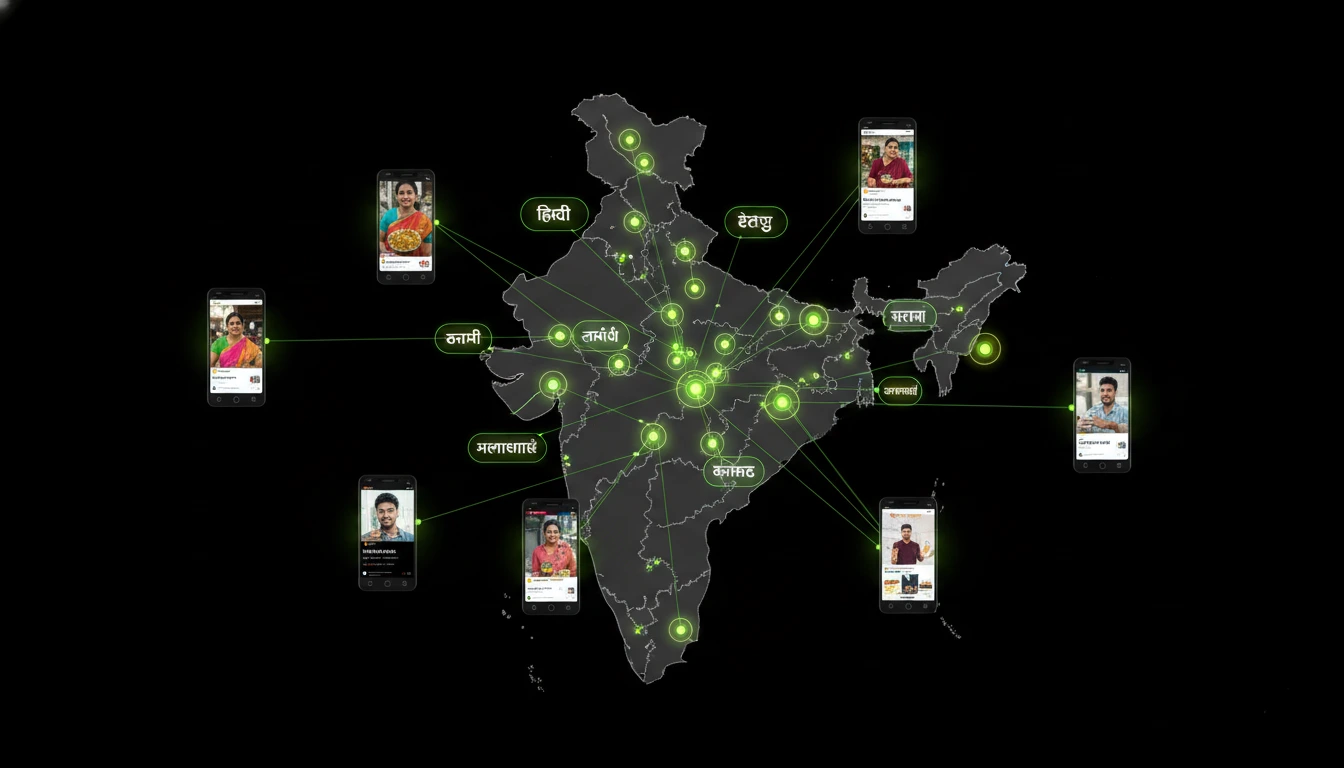
India’s internet growth is increasingly being driven by users from Tier 2 and Tier 3 cities, where language, context, and cultural familiarity matter more than polished mainstream influencer aesthetics. Audiences respond more strongly to creators who speak the language they think in, joke in, and shop in, which makes regional creators feel more trustworthy than generic English-first influencers.
This shift is also platform-led. ShareChat has 180 million monthly active users engaging largely in regional languages, and vernacular platforms plus multilingual ecosystems on YouTube, Instagram, Moj, and Josh have made regional discovery much easier for both audiences and brands.
Why regional creators perform better
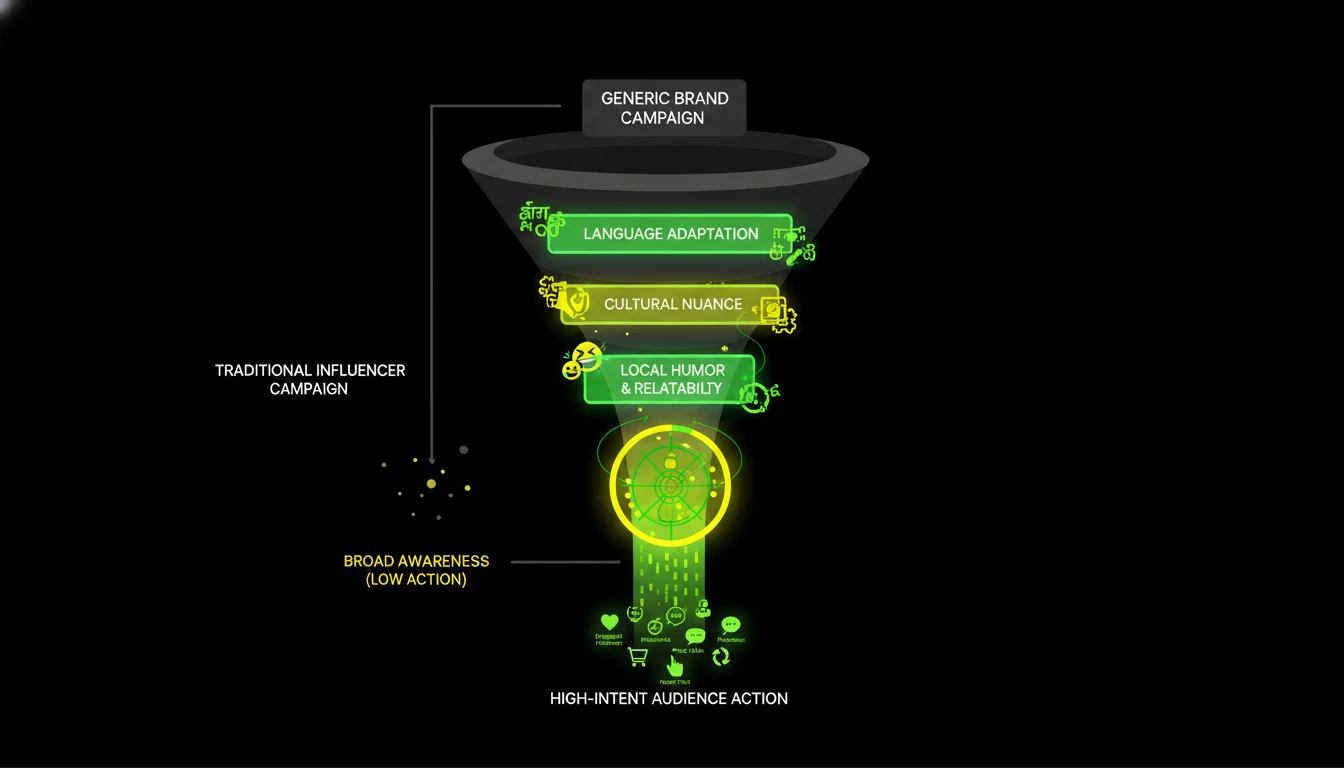
Traditional influencer campaigns often prioritize follower count, production polish, or celebrity visibility, but regional creators frequently outperform on the metrics that matter more to brands: engagement, affinity, and conversion. Regional creators are reported to achieve around 40% higher engagement than metro counterparts in some campaign environments, while vernacular content often delivers stronger CTRs, recall, and trust because it feels more local and less “advertising-like.”
That performance edge comes from three things:
- Language intimacy: The message feels natural, not translated.
- Cultural nuance: Regional creators understand local humor, festivals, habits, and buying triggers.
- Audience quality: Their followers are often tightly aligned communities rather than broad but passive audiences.
This is similar to what Garage Collective has highlighted in its influencer marketing guide: authenticity and relevance beat broad reach when the goal is trust and action.
How brands are using them in 2026
Smart Indian brands are not just “translating” metro campaigns into Hindi, Tamil, Marathi, or Bengali. They are building regional-first creator strategies where the creator shapes the tone, examples, and local storytelling from the beginning.
This works especially well for:
- D2C brands trying to expand into Tier 2 and Tier 3 markets.
- FMCG, beauty, food, fintech, and edtech brands that depend on trust and habitual purchase behavior.
- Campaigns built around festival relevance, local identity, and community-led product discovery.
Garage Collective’s list of influencer agencies also reflects this shift, highlighting firms focused on regional outreach, hyperlocal creators, and multilingual growth.
Why traditional campaigns are losing ground
Traditional influencer campaigns still work for national awareness, celebrity association, and large-scale launch moments, but they often struggle to build depth in regional markets. A polished national campaign may generate impressions, yet a local-language creator often generates better response because the audience feels represented rather than targeted.
This is especially true in 2026, when brands are under pressure to prove ROI, not just visibility. Regional creators often offer better cost efficiency as well, with some industry commentary pointing to 20–30% lower CPC and stronger market penetration than broad metro-led influencer buys.
For Indian brands already adapting to platform shifts, conversational selling, and local content behavior, regional creator marketing fits naturally alongside Garage Collective’s thinking on digital media trends and audience-first storytelling.
FAQ’S
1. What are regional language creators?
They are creators who produce content primarily in Indian languages such as Hindi, Tamil, Telugu, Bengali, Marathi, Kannada, Malayalam, and others.
2. Why are regional creators outperforming traditional influencers in India?
Because they create deeper trust, stronger cultural relevance, and better engagement with audiences in Tier 2 and Tier 3 markets.
3. Do regional creators only work for local brands?
No, national brands also use them to build deeper relevance and conversions in specific states, cities, and language segments.
4. Which industries benefit most from vernacular creator marketing?
D2C, FMCG, beauty, fintech, food, and edtech brands often benefit the most because trust and relatability strongly influence buying decisions.
5. How should brands start with regional creator campaigns?
Start by mapping audience language preferences, choosing region-specific creators, and building campaigns around local behavior instead of simply translating metro content.