



Stop thinking of Instagram Reels, and YouTube Shorts as just “social media.” In 2025, they are search engines. More importantly, they are data mines that directly feed the AI models determining your search rankings.
For years, SEO was strictly about text—keywords on a page, meta tags, and backlinks. Today, the definition of “content” has expanded. Search engines like Google and AI-powered answer engines (like ChatGPT or Perplexity) can “watch” and “listen” to your videos. They extract transcripts, analyze visual context, and measure user engagement to determine if your brand is an authority.
Here is how to pivot your strategy from “viral trends” to sustainable, AI-driven growth.
1. The Rise of “Social Search”
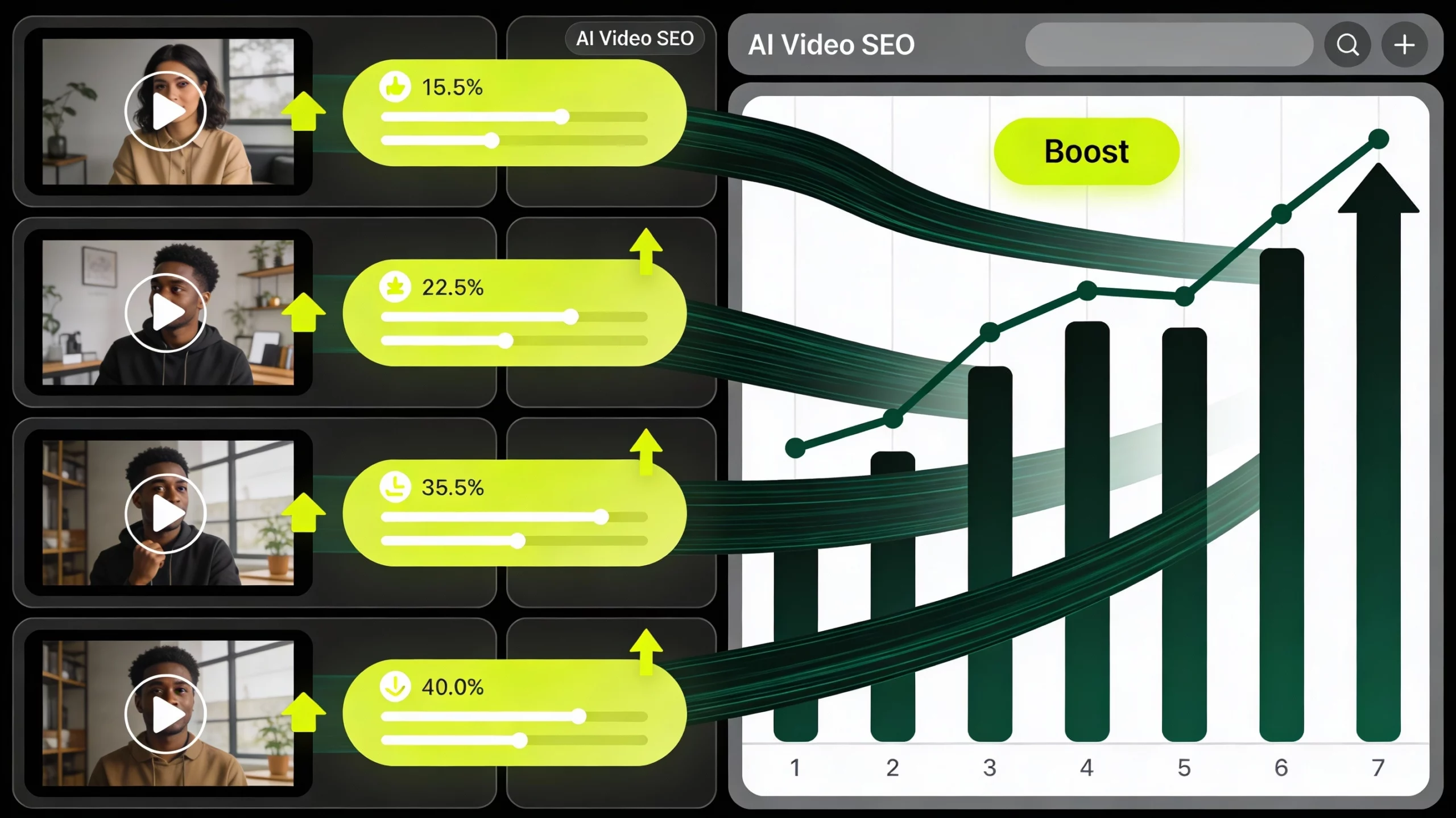
Consumer behavior has changed. When a user wants to know “how to style a blazer” or “best budget microphone,” they often bypass Google Search and go straight to TikTok or Instagram. This is “Social SEO.”
If your brand isn’t discoverable on these platforms, you are losing a massive chunk of search volume. But the impact goes deeper: Google now indexes TikTok and Instagram videos directly in search results (SERPs). A well-optimized Short can appear on the first page of Google for competitive queries where your blog post might struggle to crack the top 10.
2. How Video Feeds the AI Algorithms (GEO & NLP)
Generative Engine Optimization (GEO) focuses on optimizing content for AI over traditional search engines. AI models crave multimodal data—text, image, and video.
Audio Indexing: Algorithms transcribe the audio from your Reels and Shorts. If you verbally articulate your keywords and answer specific questions clearly, you are creating indexable content.
Visual Recognition: AI can identify objects, logos, and text overlays in your video. This validates your relevance to specific topics, boosting your “topic authority” and contributing to your overall digital marketing strength.
3. Optimizing Your Short-Form Content for Discovery
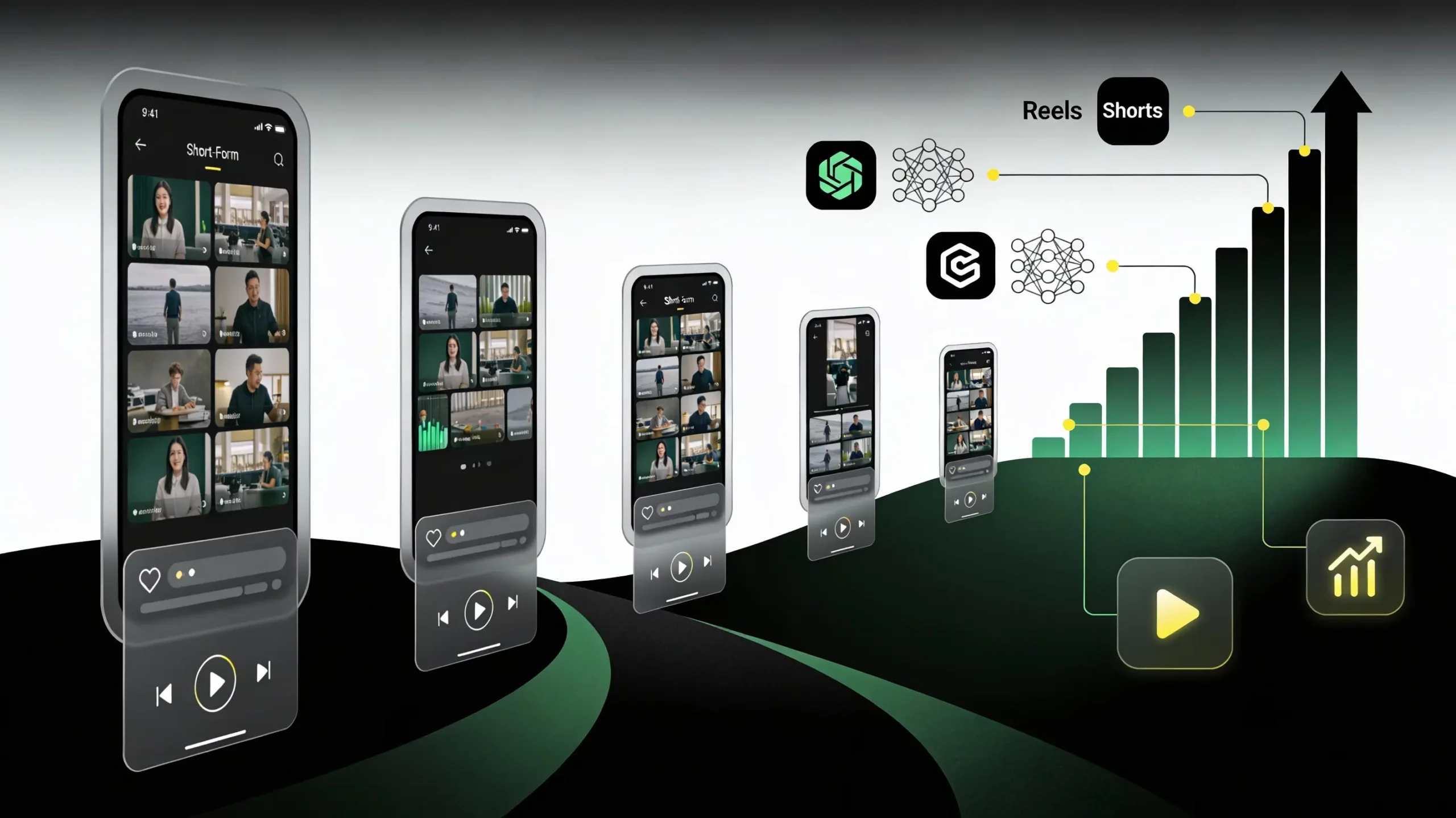
To make your videos work for SEO, you need to treat them like mini-webpages.
Keywords in Captions & Text Overlays: Don’t just write “Link in bio!” Use your primary keywords in the video’s text overlay and the caption. AI reads this text to understand context.
Speak Your Keywords: Since audio is transcribed, literally saying your main keyword in the first 3 seconds helps the algorithm categorize your content faster.
Hashtags as Categories: Use 3-5 broad hashtags to define your niche (e.g., #SEO #MarketingTips) and specific ones for the topic.
4. The “Content Cascade”: Turning Video into Rankings
The smartest brands use a “content cascade” strategy.
Record a Short-Form Video: Answer a specific customer question (e.g., “What is the difference between branding and marketing?”).
Extract the Transcript: Use AI to turn that video audio into a text blog post.
Embed the Video: Place the YouTube Short or Reel embed directly into that blog post.
This signals to Google that the page provides high value (multimedia content) and increases “Time on Page” as users watch the video. High dwell time is a massive signal for better rankings.
5. Building Trust and EEAT through Face Time
Experience, Expertise, Authoritativeness, and Trustworthiness (EEAT) are the pillars of modern SEO. Text can be generated by anyone (or any bot), but video provides proof of humanity.
Seeing a real expert from your team speak confidently about a topic builds immediate trust. It proves that there is a real business and real expertise behind the website. This human element is becoming a critical differentiator in a sea of AI-generated text.
6. Action Plan for 2025
Audit Your Video Library: Are your old Reels optimized? Go back and update captions with search-intent keywords.
Integrate with On-Page Strategy: Don’t let your social team work in a silo. Your social video calendar should align with your on-page SEO targets.
Monitor “Video Rich Results”: Use Google Search Console to see if your video pages are being indexed and driving traffic.
Conclusion
Short-form video is no longer just for entertainment; it is a critical infrastructure for your brand’s searchability. By aligning your video production with your SEO goals, you capture the audience on social media and signal authority to the search algorithms that decide your fate.
Conclusion
Short-form video is no longer just for entertainment; it is a critical infrastructure for your brand’s searchability. By aligning your video production with your SEO goals, you capture the audience on social media and signal authority to the search algorithms that decide your fate.
Want to turn your views into value? Check out our latest guide on on-page SEO tools or contact us to build a holistic strategy that wins on every screen.
FAQ’s
Q1: How do Instagram Reels and YouTube Shorts help SEO?
A: Search engines now index audio and visual data from short videos, often displaying them directly in search results for relevant queries.
Q2: Does Google listen to the audio in my videos for rankings?
A: Yes, AI algorithms transcribe your video audio to detect keywords and context, which directly influences your search visibility.
Q3: What is the “Content Cascade” strategy?
A: It is the process of recording a video, transcribing it into a blog post, and embedding the video to maximize reach and dwell time.
Q4: How does video content improve my EEAT score?
A: Featuring real experts in your videos proves to search engines that your brand has genuine human expertise and isn’t just generating AI spam.
Q5: Why should I treat social media like a search engine?
A: Modern users often search for products directly on TikTok or Instagram, making it essential to optimize your captions and visuals for discovery.
