



Employee influencer marketing is when brands turn employees into trusted brand advocates who share insights, culture, expertise, and company stories through their own social networks. In India, this model is gaining traction because employee-shared content often feels more authentic than corporate posts, and advocacy-led leads can convert far better than traditional sources.
What employee influencer marketing means
Unlike celebrity or creator partnerships, employee influencer marketing relies on internal voices—founders, sales teams, marketers, engineers, HR leaders, and even customer success teams—to build visibility and trust. The goal is not to make every employee an “influencer” in the conventional sense, but to help them become credible public-facing voices for the company.
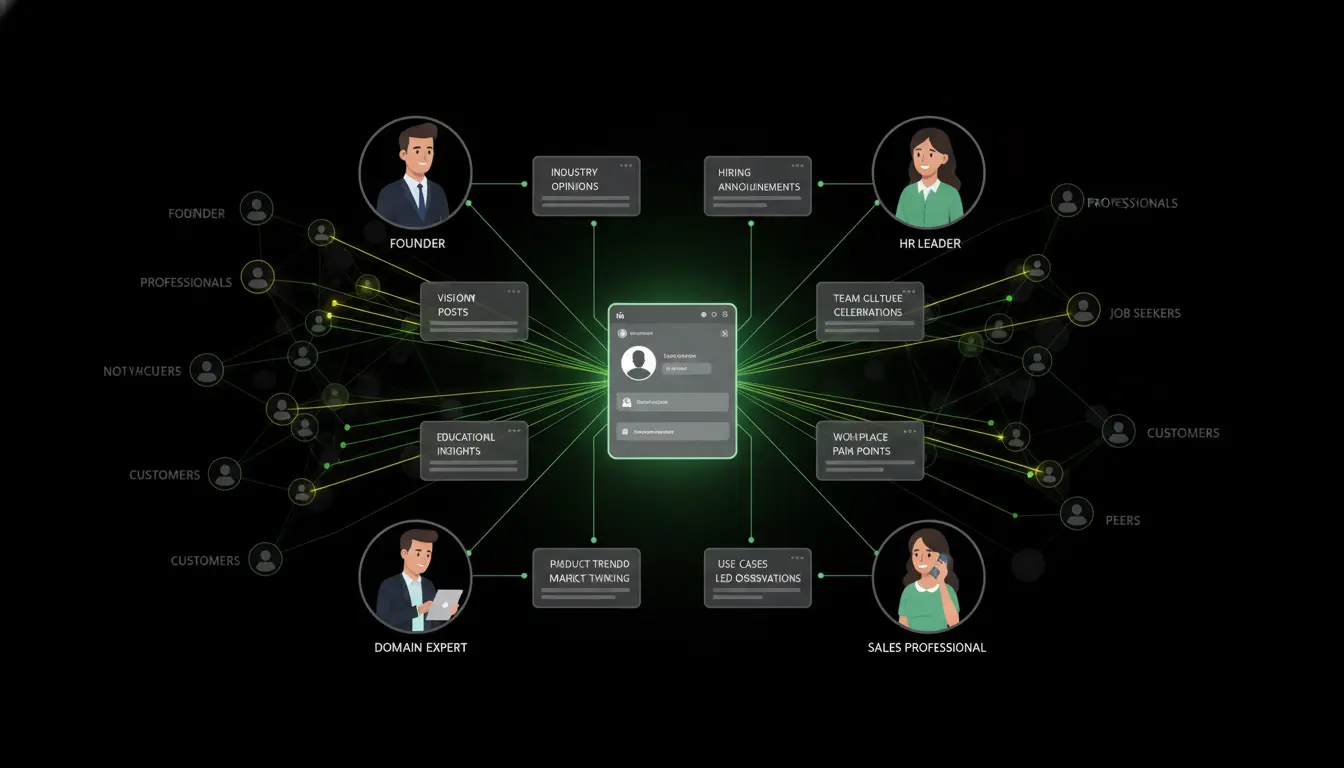
This approach overlaps strongly with employee advocacy, where staff share company content, behind-the-scenes updates, thought leadership, hiring news, and customer success stories on platforms like LinkedIn, Instagram, X, and sometimes YouTube. In India’s crowded digital market, where consumers increasingly distrust polished brand messaging, employee voices cut through because they sound human and specific.
Why Indian brands are adopting it
Indian businesses are operating in a highly competitive environment where trust, visibility, and differentiation are harder to earn than ever. At the same time, influencer marketing in India is projected to reach Rs. 3,375 crore by 2026, showing that brands increasingly value trusted personal voices over purely corporate communication.
Employee influencer marketing gives brands three major advantages:
- Higher trust, because people respond better to individuals than logos.
- Better reach, because employee networks often unlock new audiences and stronger engagement.
- Lower-cost visibility, because advocacy can amplify brand campaigns without relying only on paid media.
For brands already investing in influencer marketing, employee influence adds another layer of credibility that complements creator partnerships.
How brands use it in India
Indian brands usually deploy employee influencer marketing in a few practical ways rather than treating it as one generic campaign.
- Thought leadership on LinkedIn: Founders, CMOs, HR heads, and specialists post about industry trends, lessons, product thinking, and workplace culture to build authority and trust.
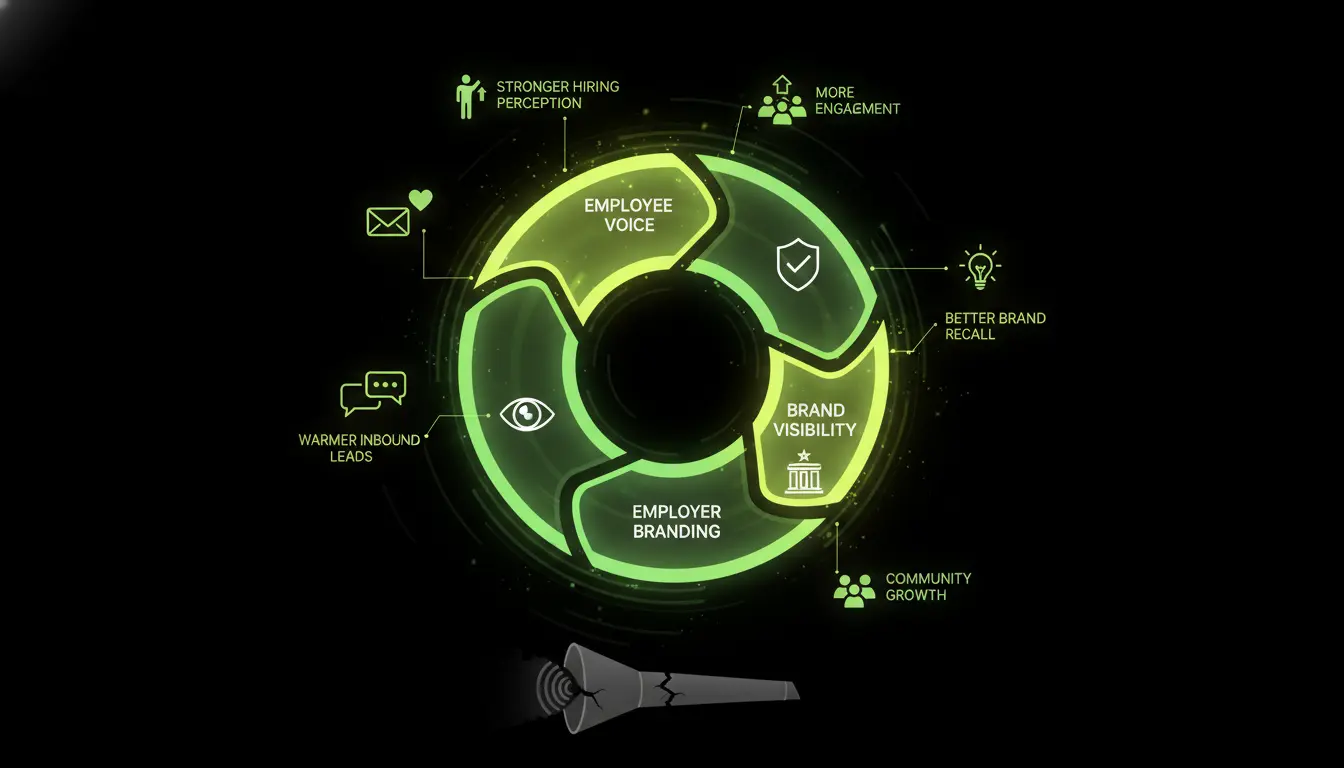
- Employer branding: Teams share hiring stories, workplace wins, celebrations, and team experiences to attract talent and strengthen perception.
- Sales enablement: Sales and customer-facing teams post use cases, market observations, and solution-led content that warms up leads before outreach.
- Launch amplification: Employees help push campaigns, product launches, event updates, or media moments through their own handles to multiply distribution.
This works especially well for B2B, SaaS, consulting, education, fintech, and marketing-led businesses where trust and expertise matter more than pure entertainment.
What makes employee advocacy work
The best employee influencer programs are structured, voluntary, and easy to participate in. Brands that succeed do not force staff to post robotic copy; instead, they provide training, content prompts, social guidelines, and examples employees can adapt to their own voice.
Leadership participation matters too. When founders and senior teams post consistently, it signals that visibility is encouraged and safe, which is especially important in Indian workplaces where many employees still hesitate to speak publicly online.
Training also improves confidence. Companies often run workshops on social media etiquette, personal branding, and platform-specific content so employees know what to say and how to say it. This mirrors the broader trust-led approach seen in digital marketing agencies
that blend brand building with audience credibility.
Best platforms and use cases
In India, LinkedIn is the strongest platform for employee influencer marketing because it supports professional visibility, hiring, B2B credibility, and thought leadership. Instagram can work for culture storytelling and behind-the-scenes employer branding, while WhatsApp and direct communities can help employees amplify campaigns more privately.
A smart strategy is to connect employee advocacy with larger brand systems:
- Use LinkedIn for expert commentary and founder-led narratives.
- Use employee posts to support SEO trends themes like E-E-A-T, where real experts improve brand trust.
- Support campaign conversion with conversational channels, similar to Garage Collective’s DM economy playbook.
FAQ’S
What is employee influencer marketing?
It is a strategy where employees promote brand values, expertise, and stories through their personal social media presence.
Is employee influencer marketing the same as employee advocacy?
They are closely related, but employee influencer marketing is often more content-led and visibility-focused, while employee advocacy can include broader brand amplification.
Which platforms work best in India?
LinkedIn works best for most Indian brands, while Instagram and WhatsApp can support culture, campaign, and community-led visibility.
Does this work only for big companies?
No, startups and SMEs often benefit even more because founder and employee visibility can humanize the brand quickly and cost-effectively.
Why are Indian brands using employee influencer marketing now?
Because trust in polished brand content is falling, while authentic employee voices help brands stand out, build authority, and generate stronger engagement.