



The Creator Co-Production Model is rapidly replacing traditional one-off influencer sponsorships, with brands now treating creators as strategic partners who shape campaigns, products, and storytelling from the ground up. In 2026, U.S. creator marketing ad spend alone is projected to hit nearly $44 billion, and India’s influencer marketing industry is expanding at 18% CAGR—both driven by the shift from transactional posts to deep, long-term co-creation.
What exactly is the Creator Co-Production Model?
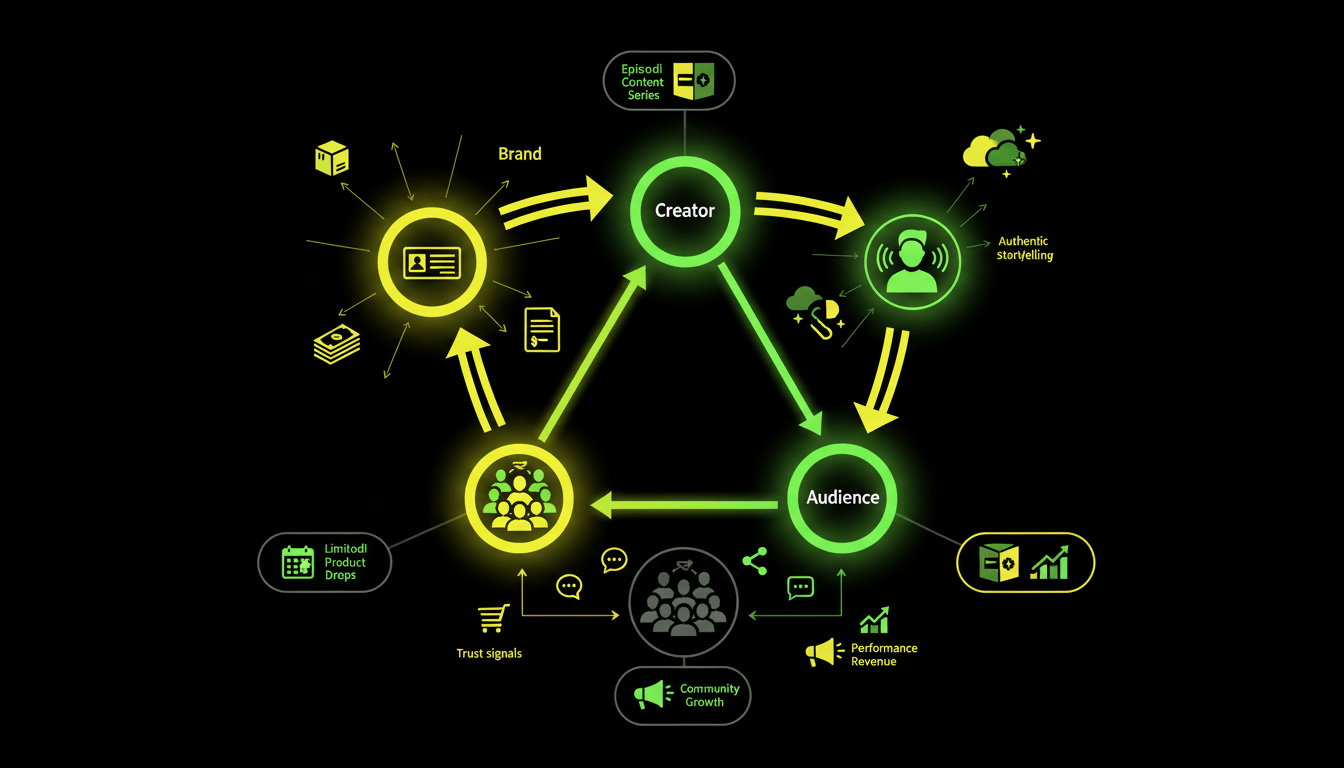
The Creator Co-Production Model moves creators from being distributors of brand messages to being genuine co-authors of brand content, strategy, and sometimes even products. Instead of handing a creator a brief and a payment, brands bring creators into early-stage ideation, campaign architecture, product feedback loops, and multi-episode content series.
Think of it as the difference between hiring a truck driver to deliver your message and hiring a co-pilot who helps you navigate the entire journey. Creators contribute audience insight, cultural fluency, and authentic storytelling—assets no marketing brief can manufacture.
For brands working with influencer marketing agencies in India, this model signals a structural shift in how creator budgets are allocated, contracted, and measured.
Why are brands abandoning one-off sponsorships?
The evidence against one-off influencer posts has become undeniable in 2026—audiences are increasingly skeptical of single-post brand integrations while long-term co-produced content builds compounding trust.
When a creator mentions your brand in January, March, and June across a serialized content format, their audience stops seeing it as a paid ad and starts treating it as a genuine recommendation. Trust multiplies with repetition and creative depth, delivering results that isolated posts simply cannot.
Brands are also discovering that one-off campaigns deliver performance snapshots while co-production programs deliver data-rich creative playbooks. Iterating across multiple content cycles with the same creator reveals which hooks, formats, and calls-to-action actually convert—reducing wasted spend and improving ROAS over time.
As covered in Garage Collective’s rise of influencer marketing guide, 65% of Indian marketers are already increasing creator spending—and co-production is where the incremental budget is flowing.
How co-production works in practice
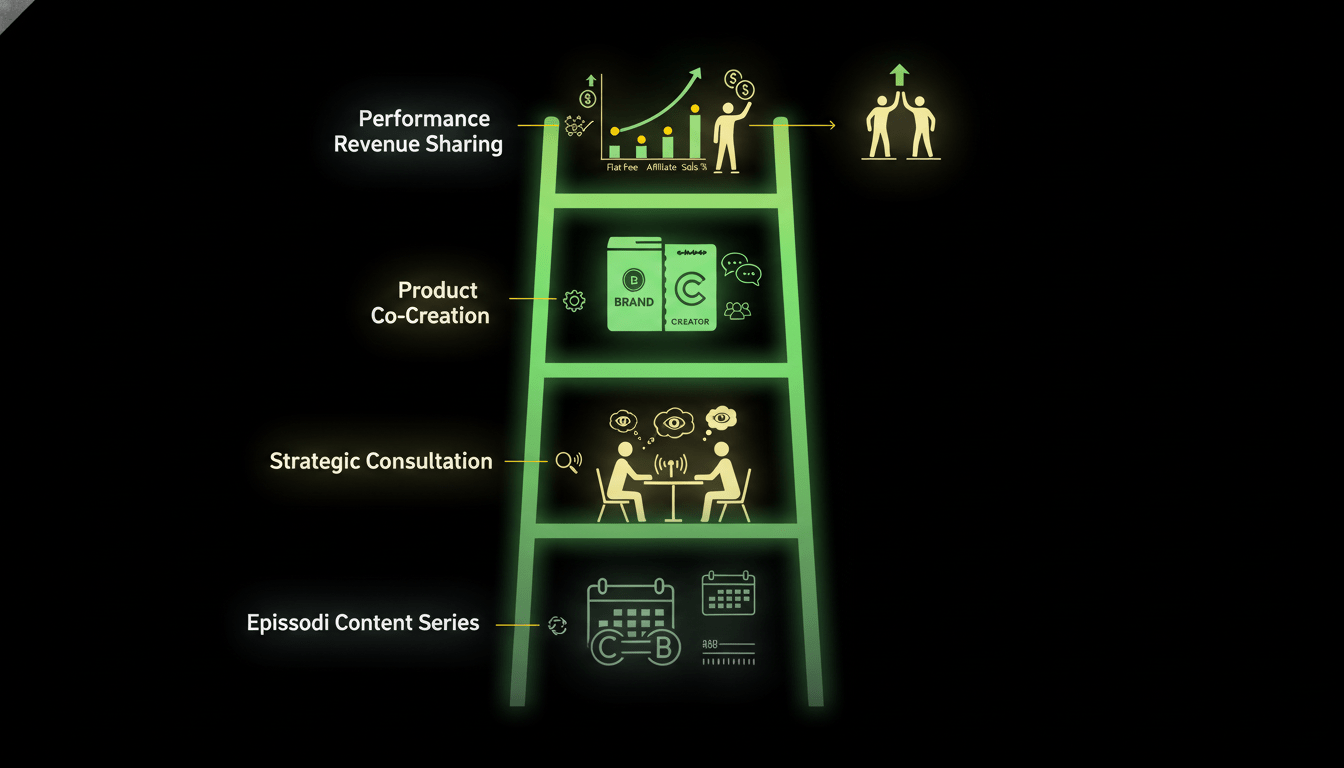
The Creator Co-Production Model operates across four distinct levels depending on brand objectives and creator relationship maturity.
- Episodic content series – Brands and creators design recurring formats like “weekly product reviews,” “brand x creator cooking challenges,” or “monthly BTS stories” that build audience habits and narrative continuity.
- Product co-creation – Creators participate in product naming, packaging design, feature selection, or limited-edition launches where their audience becomes the launch community.
- Strategic consultation – Creators act as advisors on campaign briefs, audience targeting, and cultural relevance before a rupee of ad spend is committed.
- Performance-driven revenue sharing – Compensation evolves beyond flat fees to affiliate revenue, sales commissions, and hybrid models that align creator incentives with brand outcomes.
Indian brands leveraging viral campaign strategies like CRED’s Rahul Dravid moment or Zomato’s community-driven content already embody this philosophy—creators weren’t just amplifiers, they were cultural co-authors.
The business case: ROI of co-production vs. one-off posts
Co-production delivers measurably superior returns across every key metric brands care about in 2026.
Long-term creator partnerships generate 3-5x higher engagement rates than one-off posts because audiences develop genuine familiarity with the brand through the creator’s voice. Performance-based compensation structures reduce upfront risk while rewarding creators for actual conversions and sales. And community-first creator ecosystems lower customer acquisition costs over time as organic advocacy replaces paid reach.
Micro and nano creators within co-production models deliver particularly strong returns for Indian brands—their niche authority and high engagement rates (3-10%) create conversion efficiency impossible to achieve with celebrity one-offs. As detailed in Garage Collective’s digital media trends analysis, short-form video co-created with authentic voices drives the strongest audience retention and conversion across Instagram, YouTube, and emerging platforms.
Building your Creator Co-Production strategy
Transitioning from one-off campaigns to co-production requires rethinking contracts, creative processes, and measurement frameworks.
Start by identifying 3-5 creators from past campaigns who delivered strong engagement, align with your brand values, and have audiences matching your target demographics. Upgrade contracts to cover content usage rights, exclusivity boundaries, multi-month cadence expectations, and performance-linked compensation before committing to long-term partnerships.
Design a content series framework with recurring hooks so creators have creative structure without losing the authentic voice that makes their content convert. Measure success through engagement depth, branded search lift, assisted conversions, and community growth rather than one-dimensional reach or impression metrics.
FAQ’S
What is the Creator Co-Production Model?
It’s a strategy where brands partner with creators as long-term co-authors of content, products, and campaigns rather than hiring them for single sponsored posts.
How is co-production different from traditional influencer marketing?
Traditional influencer marketing pays for reach and a post; co-production invests in ongoing creative collaboration, audience trust, and compounding brand equity.
Which Indian brands are already using co-production?
CRED, Zomato, Nykaa, and Myntra all leverage deep creator collaborations where influencers shape cultural moments rather than simply distribute messages.
Does co-production work for small budgets?
Yes—micro and nano creators in co-production models deliver higher ROI at lower costs than celebrity one-offs, making it accessible for D2C and SME brands.
How do I measure co-production ROI?
Track engagement rates across content cycles, branded search growth, assisted conversions, affiliate revenue, and long-term retention among creator-referred customers