



In 2026, design taste is becoming one of the biggest competitive advantages in marketing because AI can now generate content, ads, and visuals at scale, but it still cannot reliably judge what feels clear, differentiated, and emotionally right for a brand. As execution becomes cheaper and faster, the real advantage shifts to marketers who know what to make, what to reject, and how to shape experiences that people actually remember.
What “design taste” actually means
Design taste is not just about making things look pretty. It is the ability to recognize what feels intuitive, on-brand, culturally relevant, and easy to understand across websites, ads, videos, landing pages, and content systems.
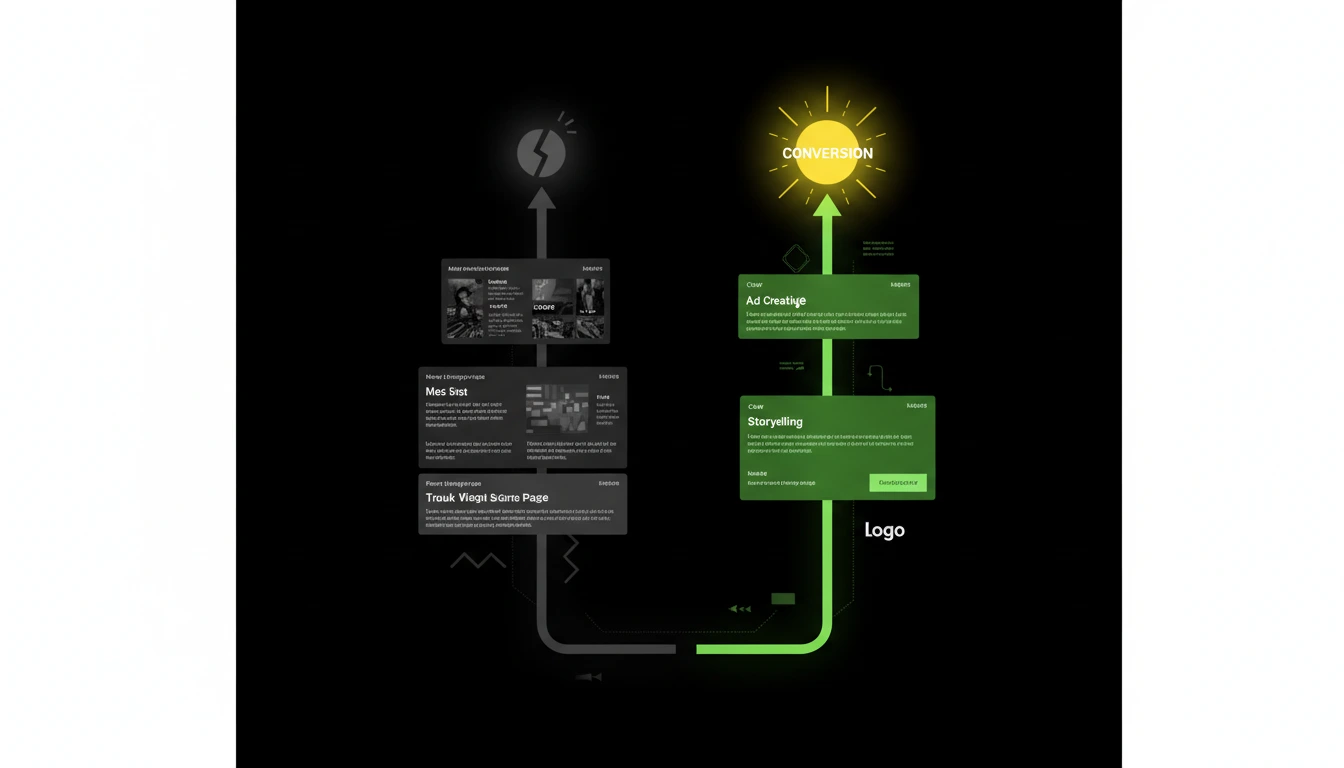
In practical terms, taste means knowing whether a landing page feels premium or cluttered, whether a Reel script sounds sharp or generic, and whether a campaign visual creates trust or confusion. That judgment now matters more because AI tools can generate endless options, which makes selection and refinement more valuable than raw production itself.
Why it matters more in 2026
Marketing teams are now flooded with AI-generated ideas, copy, layouts, and visual assets, which means sameness is everywhere. When everyone can make content quickly, brands no longer win by volume alone; they win through sharper judgment, stronger visual hierarchy, and better experience design.
Garage Collective’s own perspective on AI transforming creative agencies makes this shift clear: AI speeds up ideation and execution, but human strategists still define tone, brand storytelling, and the creative direction that drives impact. This is also why specialists are outperforming generalists, as shown in Garage Collective’s AI-specialist skills article, which argues that human expertise matters most where judgment and orchestration are required.
How design taste improves marketing performance
Good taste improves more than aesthetics; it improves comprehension, trust, and conversion. A cleaner landing page, a stronger content structure, or a more intentional visual system can make an offer easier to understand and therefore easier to buy.
This is especially important in India, where audiences move quickly across languages, formats, and platforms, and brands need communication that feels both polished and relevant. Garage Collective’s work around website design and high-converting digital experiences reflects the same principle: better design decisions shape how audiences perceive credibility and value.
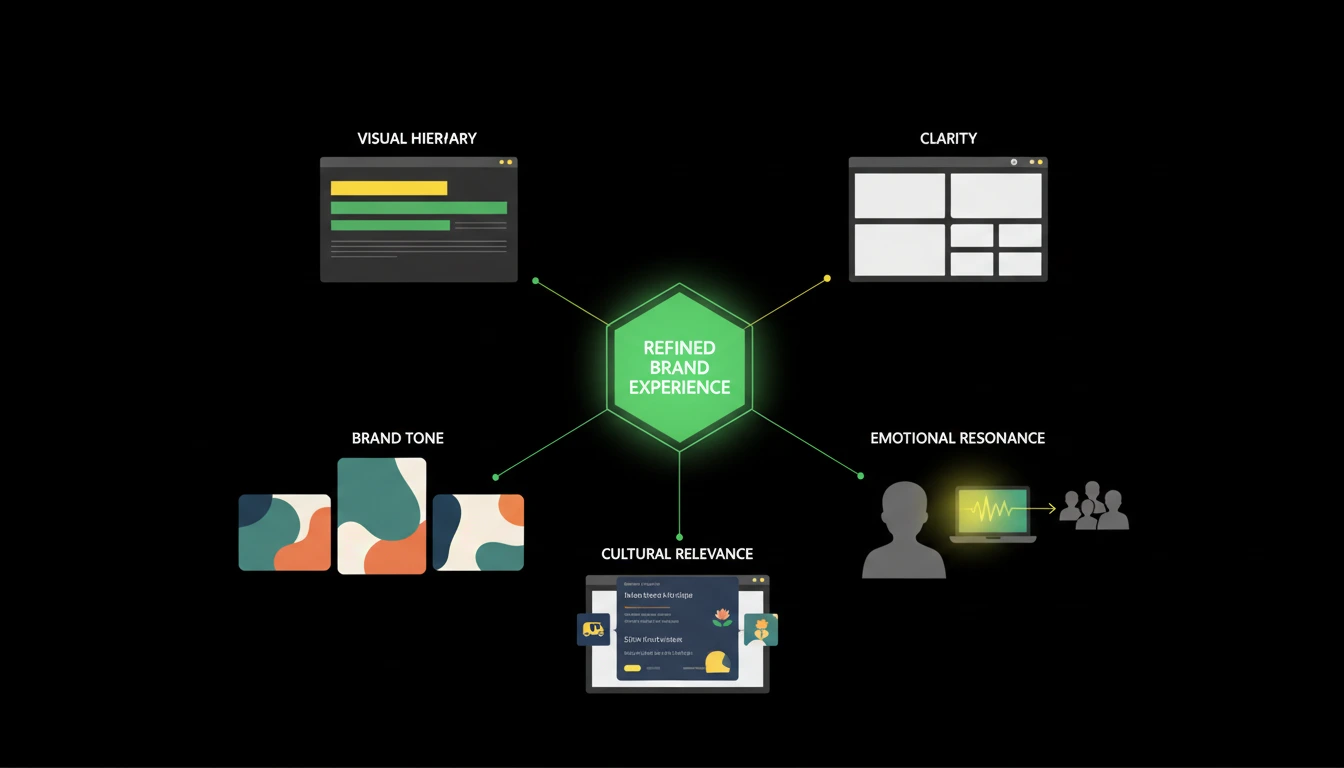
Design taste also strengthens brand consistency. When marketers understand composition, tone, pacing, narrative flow, and user experience, every touchpoint feels more intentional, from social posts to paid ads to product pages.
How marketers can build better taste
Taste is built through exposure, critique, and repetition, not through AI prompts alone. Marketers need to study strong creative work, understand why certain layouts or narratives feel effective, and develop sharper opinions about clarity, hierarchy, and emotional resonance.
A few practical ways to build it:
- Audit great brand work across websites, ads, product pages, and motion design, then note what makes it memorable or frictionless.
- Learn basic principles of typography, spacing, visual hierarchy, copy flow, and interaction design.
- Use AI to create variations, but rely on human review to choose what feels most original and strategically aligned.
For brands focused on long-term visibility, design taste also supports E-E-A-T because polished, coherent, user-first experiences make expertise feel more credible. That matters in AI search, SEO, and social distribution alike, where trust increasingly shapes performance.
FAQ’S
What is design taste in marketing?
It is the ability to judge what feels clear, relevant, on-brand, and emotionally effective across creative and digital experiences.
Why is design taste more important in 2026?
Because AI can generate content at scale, so human advantage now lies in selecting, refining, and directing better creative choices.
Can AI replace design taste?
No, AI can generate options, but human judgment still determines originality, clarity, and brand resonance.
Does design taste affect conversions?
Yes, stronger design taste improves clarity, trust, usability, and brand perception, which directly influence conversion performance.
How can marketers improve their design taste?
By studying strong creative work, learning core design principles, and repeatedly practicing critique and refinement across formats.