
Digital MarketingSEO
In 2025, zero-click searches have become the default, not the exception. Users get instant answers from featured snippets, AI Overviews, knowledge panels, and answer engines like ChatGPT, Perplexity, and Copilot—so many sessions end without a single website visit. For brands, the real challenge is no longer “How do we win every click?” but “How do we drive awareness, trust, and revenue when most searches never reach our site?”.
This shift is part of a broader AI-first landscape where classic SEO, generative engine optimization, and answer engine SEO now overlap. That is why working with a modern digital marketing agency that understands AI search, digital media trends, and zero-click behaviour can be the deciding factor between growth and gradual traffic decline.
What zero-click is really changing
A zero-click search happens when the user’s journey ends on the results page or inside an AI summary instead of on any website. AI Overviews, “People Also Ask” boxes, knowledge panels, local packs, and featured snippets are all examples of zero-click surfaces that give users what they need instantly.
This reality changes three key things for marketers:
Impressions and citations matter almost as much as clicks because they build brand recall even without traffic.
Entity and topic authority beat old-school keyword stuffing, as AI models care about who is most qualified to answer.
Content has to be structured so that Google and answer engines can easily extract and reuse your explanations.
Content formats that still drive revenue
Even when clicks disappear, the right content formats can still move pipeline and deals.
1. Definition blocks and short explainers
Compact, 40–60 word explainers for questions like “what is zero-click search?”, “what is answer engine SEO?” or “what is generative engine optimization?” are perfect for featured snippets and AI Overviews. These definition blocks can live inside your digital media trends or SEO strategy posts while also being quoted by AI search tools, giving your brand recurring visibility.
2. How‑to guides and stepwise checklists
Structured how‑to content is tailor-made for zero-click surfaces. Examples include:
How to build a lead generation ecosystem around your content
How to design a zero-click search strategy for B2B brands
How to measure answer engine SEO performance across AI tools
Because each step is clearly labelled, answer engines can pull your lists directly into their responses, while users who need depth still click through for full context.
3. Comparison tables and buyer guides
Side‑by‑side comparisons such as “branding vs marketing” or “traditional marketing vs digital marketing” help users make decisions quickly. These tables perform strongly in rich results and AI answers because they compress complex decisions into a scannable format. When you place them inside broader guides on digital media trends or agency selection, they keep working even if the user never lands on your page.
Turning zero-click visibility into pipeline
Zero-click does not mean zero revenue—it just shifts where revenue shows up in the journey.
Brand-first visibility
Consistent mention in zero-click results for terms like AI in digital marketing, “zero-click SEO”, or “answer engine SEO” ensures buyers notice your name long before they are ready to convert. When they finally compare options for a digital marketing agency India, your brand already feels familiar and trustworthy.Geo and intent-based hooks
Within these zero-click-friendly formats, weaving in geo phrases such as digital marketing agency Noida or ecommerce SEO agency nudges users toward branded, navigational, and local-intent searches that still bring clicks and enquiries.Lead generation ecosystem behind the scenes
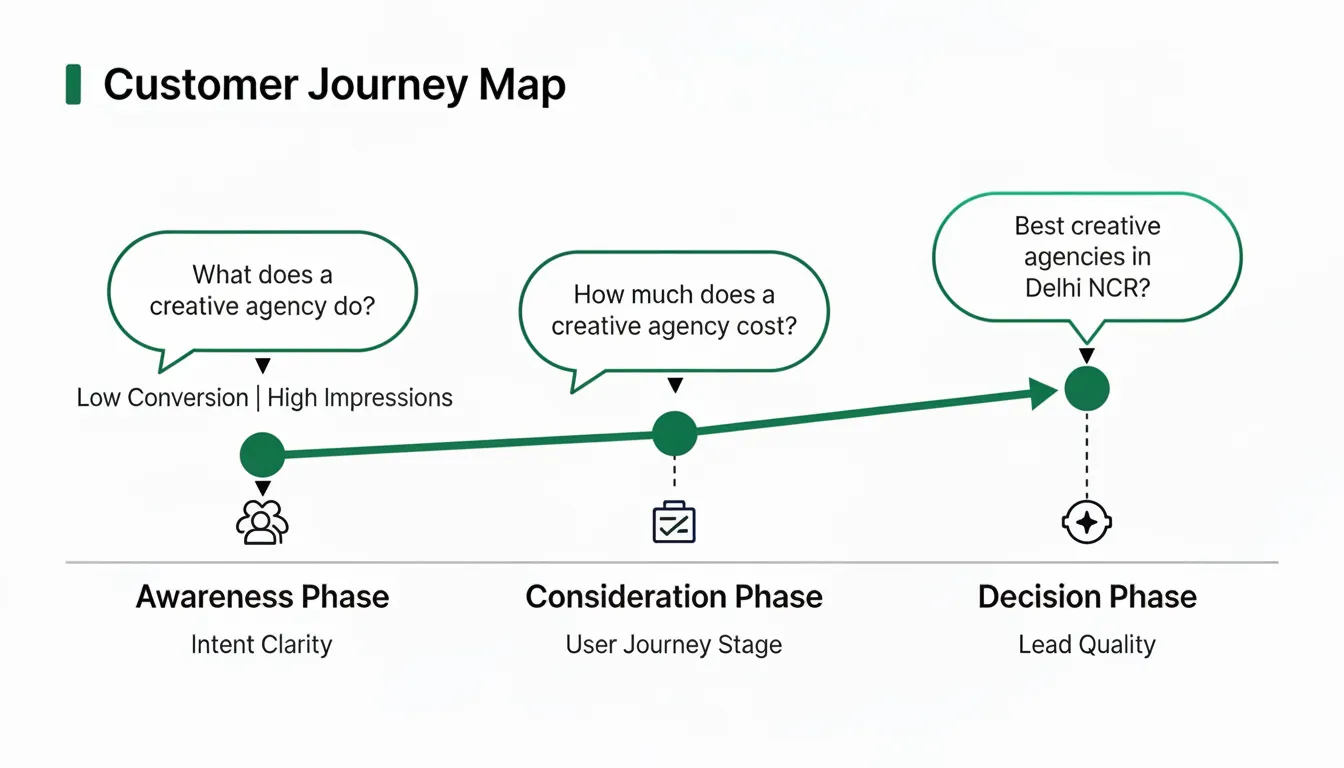
Treat every SERP impression and AI citation as a touchpoint that feeds into a broader lead generation ecosystem of landing pages, gated assets, webinars, and email sequences. A single high-intent visit—after several zero-click interactions—can be enough to turn into a booked call when your funnel is set up correctly.
AEO, GEO, NLP and EEAT: the new stack
To grow when most searches never reach your site, four strategic layers need to work together.
AEO (Answer Engine Optimization)
AEO is the practice of structuring content so search platforms and answer engines can provide direct, high-quality answers to user questions. Use question-based headings, concise answers near the top, bullet lists, and FAQ sections to make your pages easy for AI systems to quote.GEO (Generative Engine Optimization)
GEO focuses on making your content a preferred source for generative systems like ChatGPT, Perplexity, and Google AI Overviews. Build interconnected clusters around entities such as AI marketing, ecommerce SEO, and digital media trends, and interlink them clearly so engines repeatedly see your expertise.NLP-friendly, conversational language
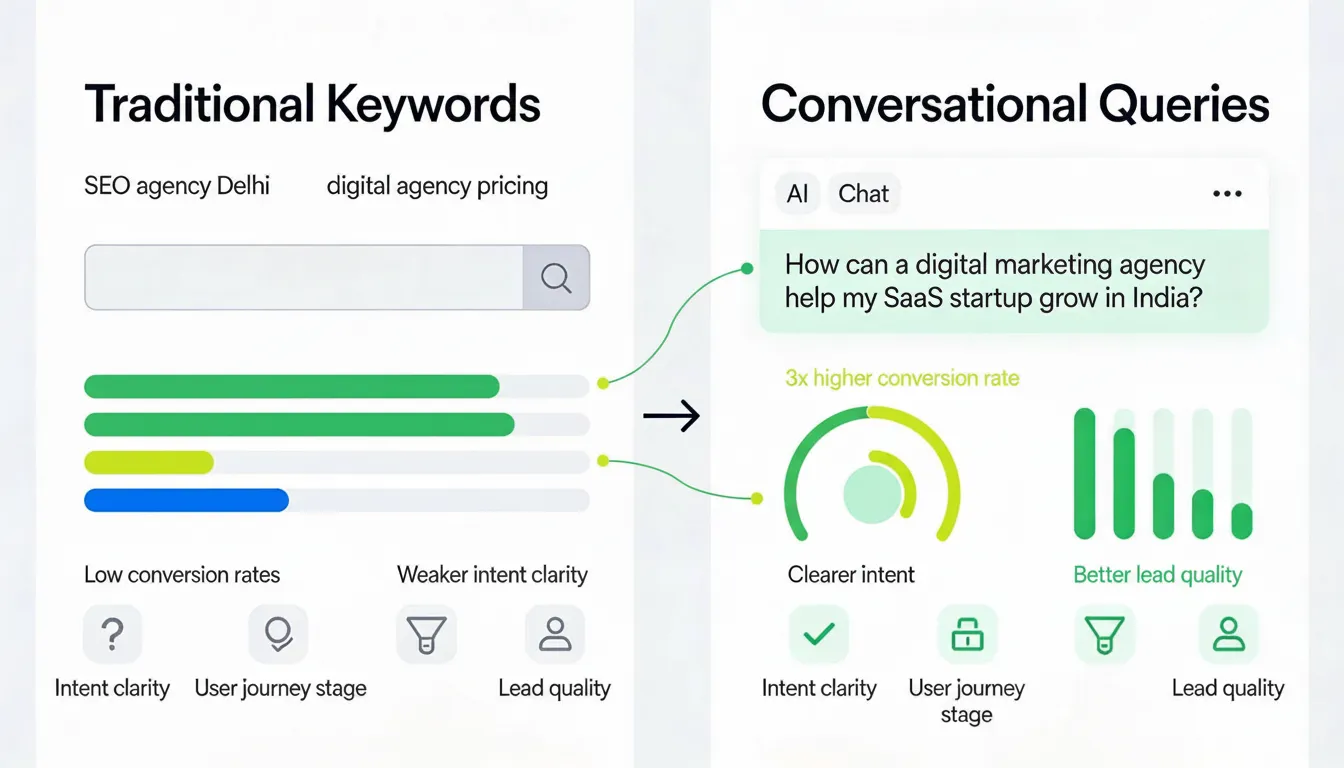
Zero-click and AI search are powered by natural language, not just exact keywords. Use phrases that match how people really speak—like “how to win zero-click search” or “best digital marketing agency Noida”—so models can easily map queries to your content.EEAT (Experience, Expertise, Authoritativeness, Trustworthiness)
Highlight real experts, case examples, client outcomes, and transparent contact details to show your content comes from practitioners, not theory. Strong EEAT increases your odds of being cited as a trusted source when AI engines assemble multi-site answers.
Conclusion
Zero-click is now the default state of search, driven by AI Overviews, featured snippets, and answer engines that keep users on the results page. Instead of chasing every single click, brands that adapt focus on formats built for reuse—definition blocks, how‑to guides, and comparison tables—and connect them to a strong lead generation ecosystem that can convert even one eventual visit into a qualified lead.
By aligning AEO, GEO, NLP-friendly writing, and EEAT, your content can become the backbone of AI summaries and zero-click experiences—keeping your brand visible, trusted, and chosen, even when users never leave the SERP. For businesses partnering with a forward-thinking digital marketing agency Noida, this shift is not a threat but a new way to own the AI-first future of search.
FAQ’S
1. What is a zero-click search?
A zero-click search is a query where the user finds what they need directly on the results page or in an AI answer, so they never click through to any website.
2. Are zero-click searches killing SEO?
Zero-click searches reduce raw traffic but increase the importance of visibility, brand recall, and answer engine citations, which still influence revenue and leads.
3. Which content formats work best when zero-click is the default?
Definition blocks, how‑to lists, comparison tables, and FAQ sections perform best because they plug directly into featured snippets, AI Overviews, and answer engines.
4. How can my business still generate leads from zero-click?
Use geo and intent-based hooks like digital marketing agency Noida and build a strong lead generation ecosystem of landing pages and offers so later visits convert quickly.
5. How do AEO and GEO help with zero-click searches?
AEO structures your pages for direct answers, while GEO builds the topical authority AI systems rely on to pick your content as a trusted source, even when no click occurs
