



First-party data is information you collect directly from your customers, such as website behavior, purchase history, email interactions, and WhatsApp engagement. In 2026, it is essential for Indian brands because third-party cookies are gone, privacy regulations are stricter, and platforms like Google and Meta prioritize owned customer data for targeting and personalization.
Why first-party data matters now
With cookie deprecation complete and privacy laws like DPDP tightening, brands that rely on external tracking lose reach and accuracy. First-party data gives you independence, better ROI, and compliance while enabling hyper-local personalization that resonates with Indian audiences.
It also feeds AI-driven tools for better predictions, automation, and customer journeys. Indian brands using first-party data see 30–50% lower acquisition costs and higher retention because they know their customers better.
How to collect first-party data
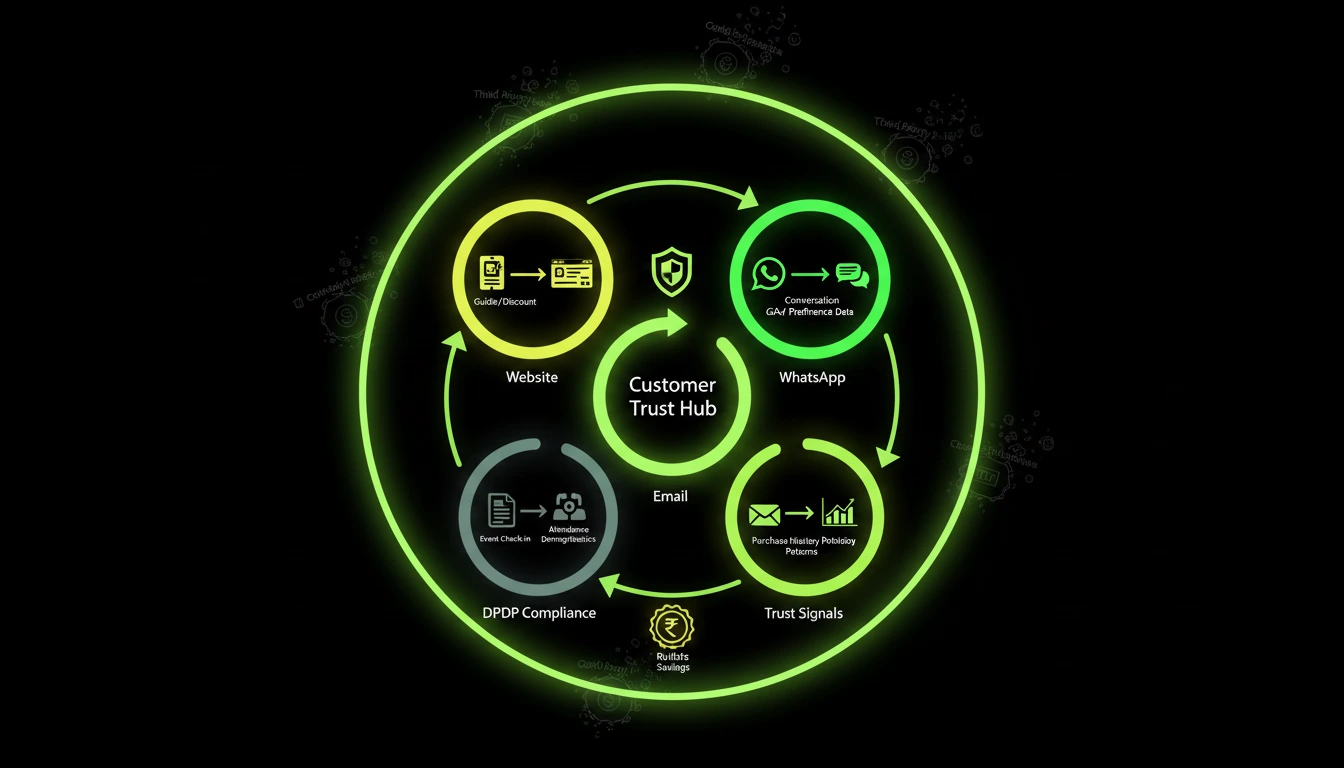
Focus on ethical, consent-based collection across owned channels.
- Website and apps: Track events, sessions, and conversions with GA4 or similar.
- Email and newsletters: Offer value for opt-ins like guides or discounts.
- WhatsApp and DMs: Capture conversations, opt-ins, and preferences (as in DM economy).
- CRM and loyalty: Log purchases, support tickets, and repeat behavior.
- Offline: Collect data from events, stores, and calls with consent.
Start with a central CRM like HubSpot or Zoho to unify data.
How to use first-party data
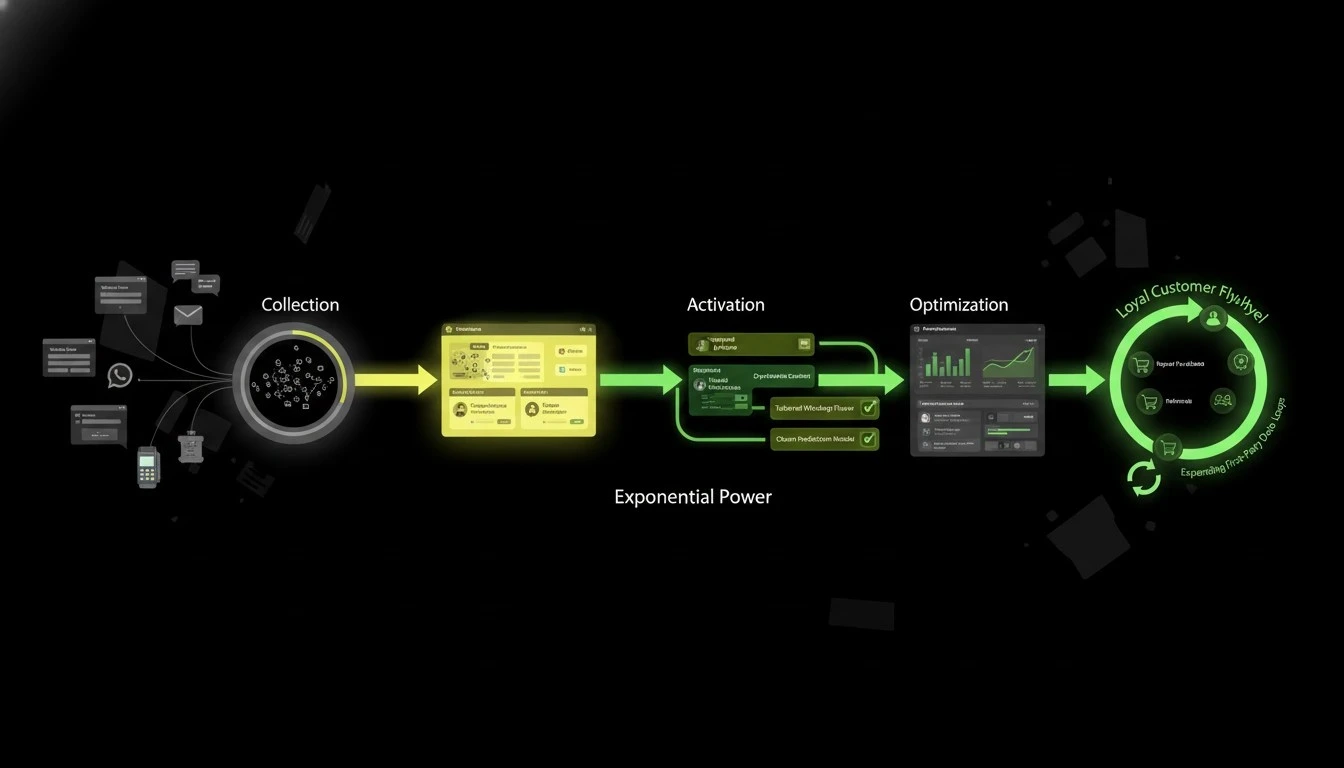
Turn data into action with segmentation, personalization, and automation.
- Audience segments: Group by behavior (repeat buyers, cart abandoners, new signups).
- Personalized campaigns: Send tailored emails, WhatsApp messages, or ads.
- Retargeting: Use lookalikes based on your data for Google/ Meta ads.
- Predictive analytics: Forecast churn or lifetime value.
- Content personalization: Dynamic site content by user history.
For brands using SEO services, first-party insights improve content relevance.
Best practices for Indian brands
Comply with DPDP Act: transparent consent, data minimization, and security. Build trust with clear privacy policies and value exchange.
Integrate with Google Ads management for better performance. Test small, measure uplift in ROAS and retention.
FAQ’s
What is first-party data?
Data collected directly from your customers via your owned channels.
Why is it important for Indian brands?
Cookie loss, privacy laws, and better targeting make it essential for ROI.
How do I collect it ethically?
Use consent, value exchange, and comply with DPDP.
What tools help manage it?
HubSpot, Zoho CRM, GA4, and no-code integrations like Zapier.
How does it improve marketing?
Better personalization, lower costs, and higher retention.
