



Agentic AI is a form of AI that can plan, reason, and take actions toward a goal with limited human supervision. For brands, that means AI is no longer just helping write captions or generate ideas—it can now help manage parts of the full content workflow, from research and production to deployment and optimization.
What agentic AI means
Traditional AI responds to prompts or analyzes data, but agentic AI can break a goal into steps and execute them through tools, integrations, and feedback loops. In simple terms, it behaves less like a content assistant and more like a goal-driven operator.
Google Cloud describes agentic AI as systems that can set goals, plan, and execute tasks with minimal intervention, while IBM and UiPath frame it as autonomous intelligence that can act across systems. That autonomy is what makes it different from standard generative AI.
How content creation changes
Agentic AI changes content creation by shifting brands from manual production to autonomous content operations. Instead of asking an AI tool to write one blog post, a brand can use agentic systems to research topics, draft outlines, generate variations, schedule assets, track engagement, and adjust the next batch based on performance.
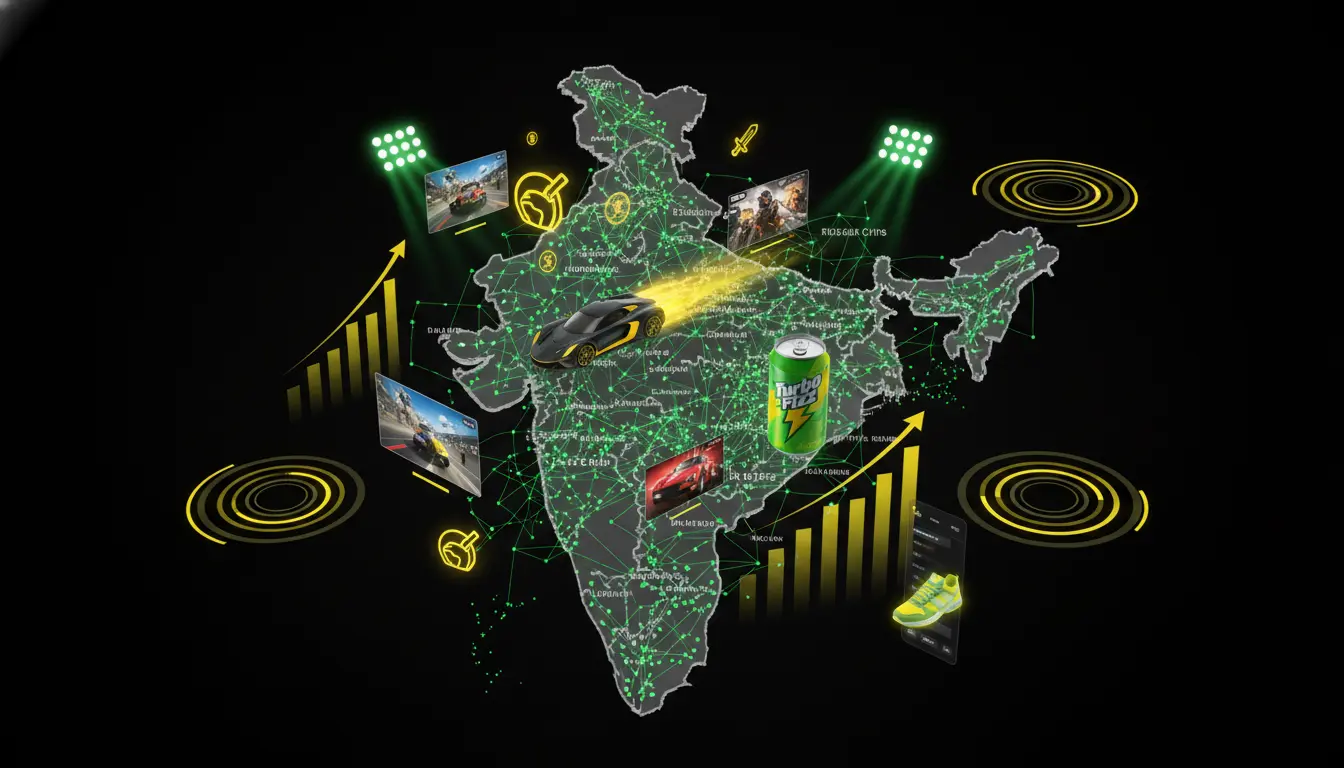
This matters because content teams are no longer just making assets—they are managing a system. In Garage Collective’s AI transforming creative agencies guide, AI already speeds up ideation, localization, and production, and agentic AI pushes that even further by connecting execution to outcomes.
A practical example:
- A brand sets a goal: “Increase qualified leads from LinkedIn by 20% this quarter.”
- The agentic system reviews past content, identifies high-performing themes, drafts posts, recommends publishing times, and monitors results.
- Based on engagement and conversions, it creates the next wave of content automatically.
Why brands care in 2026
Brands are switching to agentic AI because content volume alone is no longer enough. Attention is fragmented, platforms change quickly, and teams need faster iteration with less manual work.
Agentic AI helps brands in three major ways:
- It reduces repetitive production work.
- It improves speed from idea to execution.
- It enables continuous optimization instead of one-time publishing.
That is especially useful in India, where brands need content adapted for multiple regions, languages, and channels. A single campaign can be localized faster, tested across formats, and improved using real feedback instead of waiting for a full manual review cycle.
What still needs humans
Agentic AI can automate many steps, but humans still define brand voice, strategy, and judgment. It can analyze what is working, but it cannot replace taste, context, ethics, or brand positioning.
That is why the best model is human-led strategy with AI-led execution. In Garage Collective’s SEO trends 2026 piece, the same principle appears: AI helps with visibility and scale, but trust, expertise, and originality still decide who wins.

What brands should do next
Start by identifying repetitive content tasks that can be systematized: topic research, caption variants, blog briefs, repurposing, and reporting. Then connect those tasks to clear goals, so the AI is optimizing for outcomes rather than just output.
Brands should also build guardrails for tone, fact-checking, approvals, and compliance. The most effective teams will not use agentic AI to replace strategy; they will use it to execute strategy faster and with more consistency.
For teams already investing in AI in social media, agentic AI is the next step because it moves beyond creation into orchestration.
FAQ’s
What is agentic AI?
Agentic AI is AI that can plan, reason, and take actions toward a goal with limited human supervision.
How is agentic AI different from generative AI?
Generative AI creates content, while agentic AI can manage multi-step workflows and take actions using tools and integrations.
How does agentic AI help brands create content?
It can research, draft, optimize, distribute, and improve content workflows faster than manual processes.
Will agentic AI replace content teams?
No, it supports them by automating repetitive work while humans handle strategy, voice, and judgment.
Why are brands adopting agentic AI now?
Because they need faster, more adaptive, and more measurable content systems in a fragmented digital landscape.
