



No-code marketing tools are becoming essential for small businesses in India because they let teams automate, launch, and scale faster without hiring developers. In a market where speed, cost control, and flexibility matter, these tools help founders run campaigns, manage leads, and build customer journeys with far less technical overhead.
What no-code marketing tools actually do
No-code tools let users build and connect marketing workflows through drag-and-drop dashboards instead of writing code. That means a small business can set up landing pages, automate lead follow-ups, send email campaigns, sync CRM data, or publish social content without needing a developer for every change.
Popular examples include Zapier for app automation, Webflow for landing pages, ActiveCampaign for email automation, Airtable for workflow management, and Glide for building lightweight apps. These tools are especially useful for Indian businesses that need to move quickly across WhatsApp, email, websites, and ad platforms.
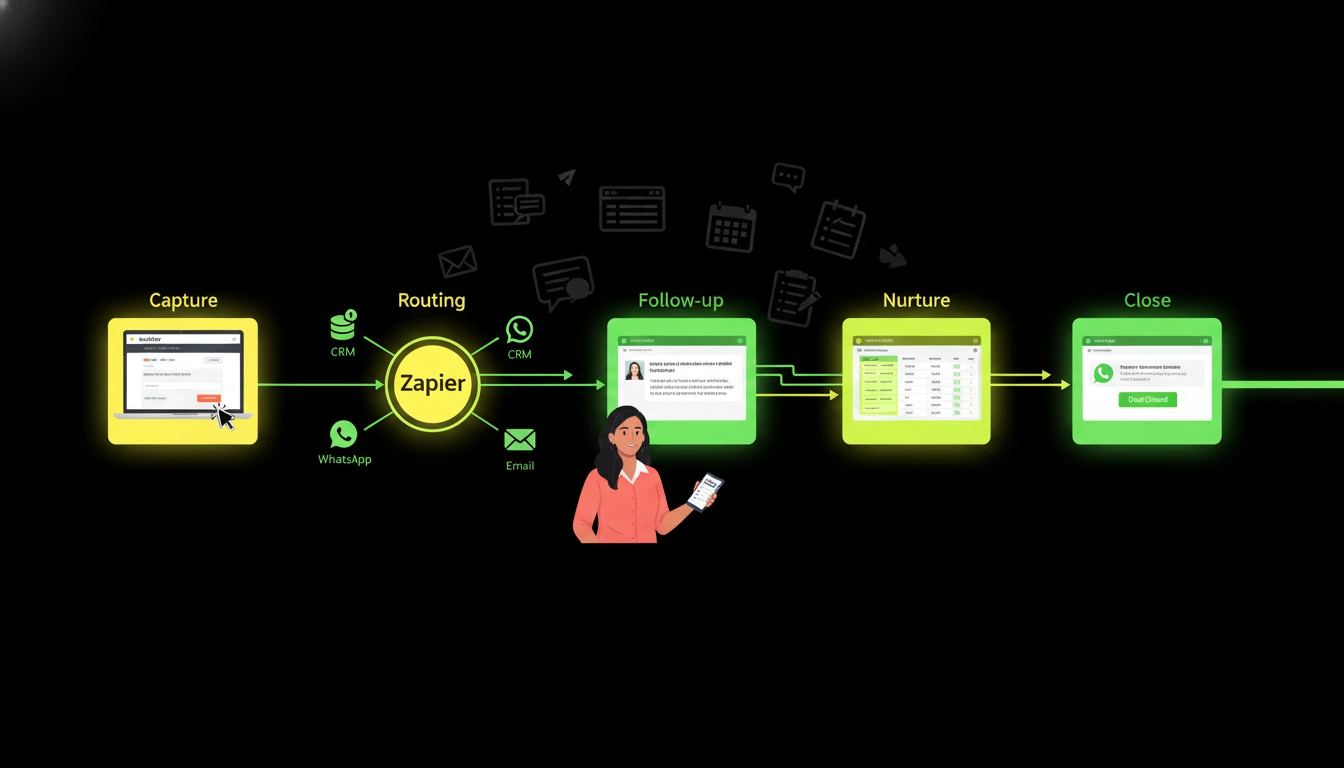
Why Indian small businesses are adopting them
The biggest reason is affordability. Traditional development projects often require higher budgets, longer timelines, and ongoing technical support, while no-code tools reduce those barriers and let smaller teams do more with less.
Small businesses in India also need to launch faster. Whether it is a cafe in Pune, a coaching center in Hyderabad, or a D2C brand in Delhi, founders want to test ideas quickly, collect customer feedback, and improve the system without waiting weeks for development changes.
Another major reason is the rise of lean marketing teams. Many businesses cannot afford dedicated developers, automation specialists, and large marketing operations teams, so no-code becomes the practical bridge between ambition and execution.
How no-code tools improve marketing
No-code tools help small businesses automate repetitive tasks and focus on strategy. For example, when a lead fills out a form, Zapier can push that data into a CRM, trigger a WhatsApp alert, send a welcome email, and update a sales dashboard automatically.
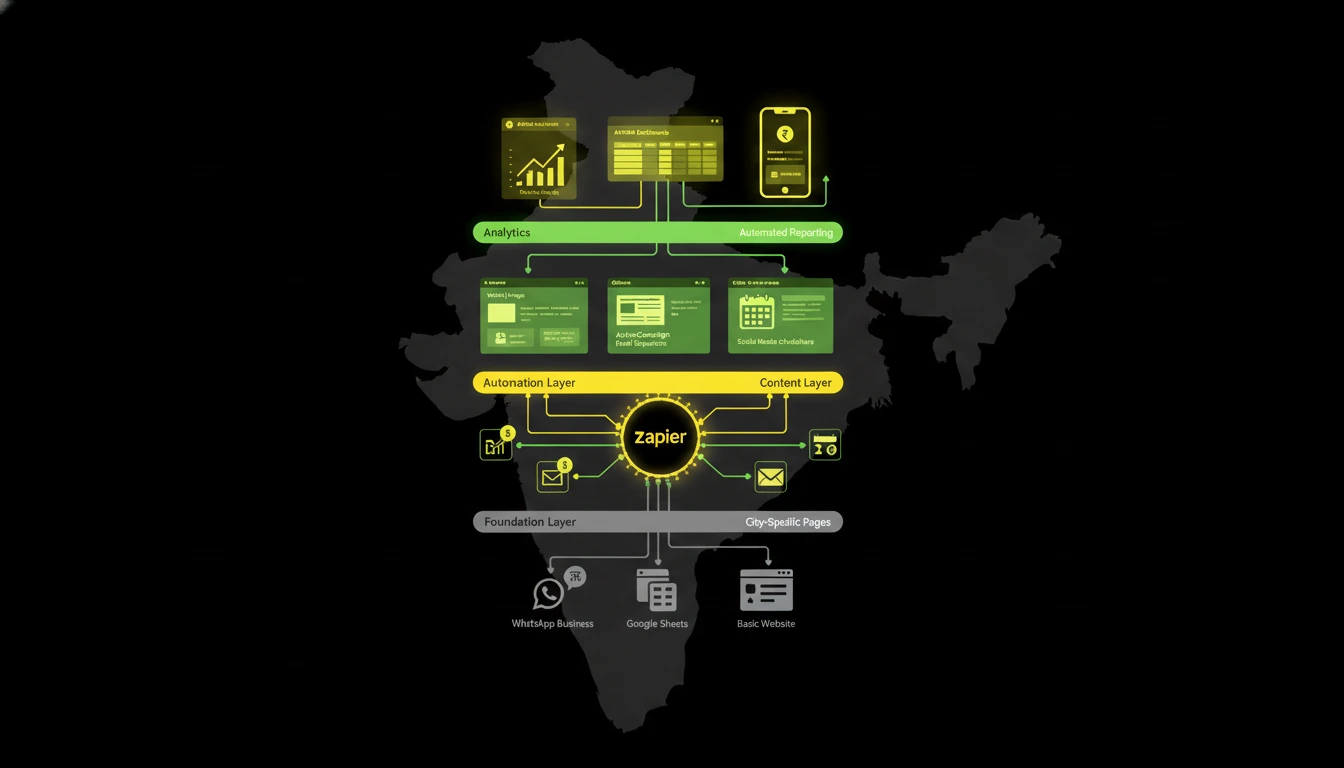
They also make content and campaign execution more consistent. Teams can schedule social posts, create landing pages for campaigns, update offers, and track reporting in one place rather than juggling multiple disconnected tools.
For Indian brands already working with SEO services or digital marketing agencies in India, no-code stacks add speed and flexibility to the wider marketing system. They also fit well with social media marketing for small businesses because campaigns can be launched, tested, and revised much faster.
Best use cases for small businesses
No-code tools are most powerful when used for everyday business workflows.
- Lead capture and follow-up automation.
- Email and WhatsApp campaign workflows.
- Landing page creation and A/B testing.
- Client portals, internal dashboards, and booking systems.
- Reporting and sales tracking without manual spreadsheets.
This matters in India because many businesses still run on fragmented processes across spreadsheets, manual messages, and scattered communication channels. No-code makes those systems easier to connect and easier to scale.
Why this trend will grow in 2026
The future of small business marketing in India will be built on automation, speed, and better use of limited resources. As more founders seek practical ways to compete with larger players, no-code tools will continue replacing slow, expensive development cycles with agile marketing workflows.
They also support experimentation. A small business can test a new product page, automate a webinar signup flow, or launch a lead nurture sequence in a single day, which means more learning and less friction.
In the broader digital landscape, this is part of a larger shift toward AI-enabled, low-friction operations that help brands stay competitive without bloated teams. For Indian small businesses, no-code is not just a convenience—it is becoming a growth advantage.
FAQs
What are no-code marketing tools?
They are tools that let businesses build and automate marketing workflows without writing code.
Why are no-code tools good for small businesses in India?
They reduce cost, save time, and let small teams launch and automate campaigns faster.
Which no-code tools are most useful for marketing?
Zapier, Airtable, Webflow, ActiveCampaign, Glide, and Mailchimp are among the most useful.
Can no-code tools replace developers completely?
No, but they can handle many everyday marketing tasks without needing a developer.
Are no-code tools good for WhatsApp and CRM workflows?
Yes, they work well for lead routing, follow-ups, notifications, and sales automation.
